feedzop-word-mark-logo
searchLogin
Feedzop
homeFor YouUnited StatesUnited States
You
bookmarksYour BookmarkshashtagYour Topics
Trending
Terms of UsePrivacy PolicyAboutJobsPartner With Us

© 2026 Advergame Technologies Pvt. Ltd. ("ATPL"). Gamezop ® & Quizzop ® are registered trademarks of ATPL.

Gamezop is a plug-and-play gaming platform that any app or website can integrate to bring casual gaming for its users. Gamezop also operates Quizzop, a quizzing platform, that digital products can add as a trivia section.

Over 5,000 products from more than 70 countries have integrated Gamezop and Quizzop. These include Amazon, Samsung Internet, Snap, Tata Play, AccuWeather, Paytm, Gulf News, and Branch.

Games and trivia increase user engagement significantly within all kinds of apps and websites, besides opening a new stream of advertising revenue. Gamezop and Quizzop take 30 minutes to integrate and can be used for free: both by the products integrating them and end users

Increase ad revenue and engagement on your app / website with games, quizzes, astrology, and cricket content. Visit: business.gamezop.com

Property Code: 5571

Home / Environment / Waste to Energy: Powering the Future or Polluting It?

Waste to Energy: Powering the Future or Polluting It?

2 Feb

•

Summary

  • Waste-to-energy converts non-recyclable waste into usable fuel.
  • Facilities can reduce waste volume by 90%, extending landfill life.
  • India operates 21 WtE plants and 133 biogas facilities.
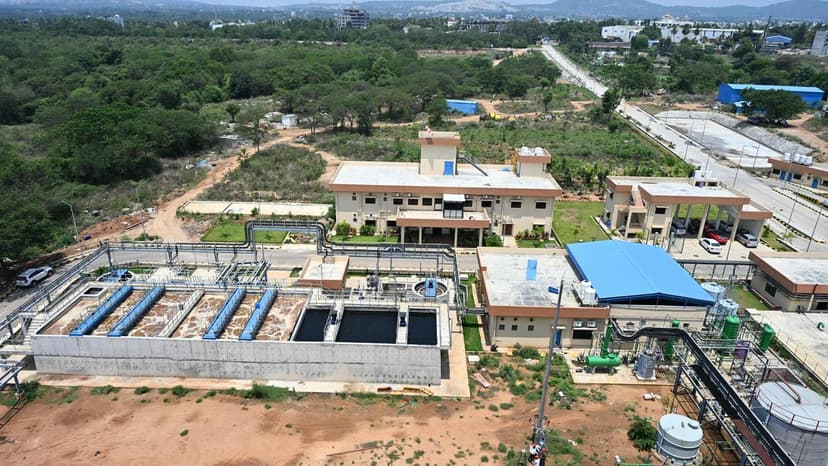
Waste to Energy: Powering the Future or Polluting It?

Waste-to-energy (WtE) offers a method to convert non-recyclable waste materials into usable energy sources like heat or electricity. Common techniques include incineration, gasification, and anaerobic digestion. These facilities play a crucial role in waste management by reducing waste volume by approximately 90%, thereby extending the operational life of landfills and diminishing the need for new ones.

India is a significant player in this sector, currently operating at least 21 WtE plants and 133 biogas facilities. These operations are guided by the Solid Waste Management Rules 2026, which promote waste segregation and the use of refuse-derived fuel. This focus aims to alleviate the pressure on existing landfill sites across the nation.

While WtE presents benefits such as substantial waste reduction and potential methane emission avoidance from landfills, environmental concerns persist. The burning of waste can release carbon dioxide and pollutants, though modern facilities often employ advanced filtration systems. Debates continue regarding WtE's influence on recycling and composting efforts.

Disclaimer: This story has been auto-aggregated and auto-summarised by a computer program. This story has not been edited or created by the Feedzop team.
Waste-to-energy technologies convert non-recyclable waste into usable fuel through methods like incineration, gasification, or anaerobic digestion to generate heat or electricity.
Waste-to-energy facilities can reduce waste volume by up to 90%, extending landfill life and preventing methane release from organic waste.
As of the current information, India operates at least 21 waste-to-energy plants and 133 biogas facilities.

Read more news on

Indiaside-arrowEnvironmentside-arrow
trending

Ohio snow emergency declared

trending

TikTok down in United States

trending

Andreeva matches Venus Williams' feat

trending

Warrington Hospital baby death

trending

Alexander Zverev advances in Australia

trending

Oilers host Capitals

trending

London celebrates Chinese New Year

trending

Liza Minnelli defends AI use

You may also like

New Waste Rules: Landfills Out, Circular Economy In

29 Jan • 20 reads

article image

Gurugram Chokes: Dust, Debris Plague City

18 Jan • 70 reads

article image

Beyond Tech: Indian Waste Solutions Depend on Us

18 Jan • 77 reads

article image

India's Waste Crisis: Citizen Apathy Fuels Landfill Woes

7 Jan • 132 reads

article image

45-Year Toxic Dump Poisons 6,000: Fine Ineffectual

26 Dec, 2025 • 198 reads

article image