

Home / Environment / War's Silent Victim: The Environment Suffers
War's Silent Victim: The Environment Suffers
30 Mar
Summary
- Conflict devastates environments, exacerbating climate change and causing lasting damage.
- Warfare releases millions of tons of CO2, equivalent to many countries' annual emissions.
- High military spending diverts funds from crucial sustainability and climate initiatives.
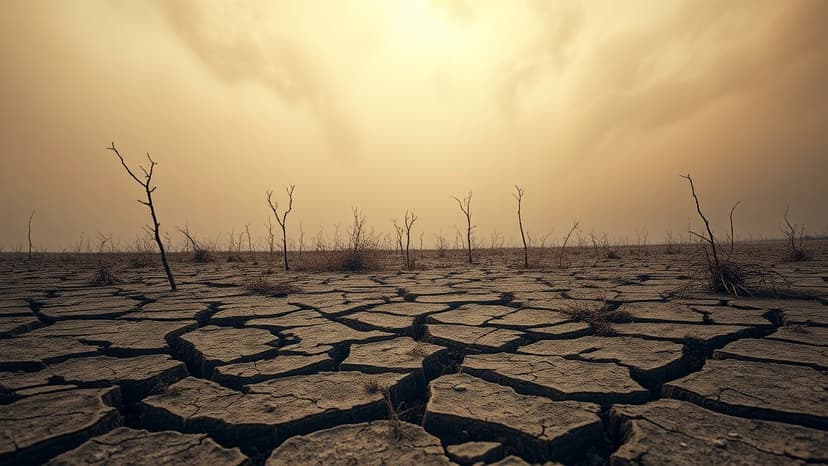
The pervasive conflicts around the globe, including those in Iran, Lebanon, Gaza, Sudan, and the DRC, have a severe but frequently ignored consequence: environmental devastation. Beyond the immediate human suffering, these wars inflict lasting damage on the planet, contributing to climate change through various mechanisms. Direct military actions, such as bombing industrial sites, release harmful pollutants like sulphur compounds and oil particles into the atmosphere, degrading air quality significantly.
The destruction of infrastructure during conflicts leads to widespread contamination. Missile strikes and drone attacks generate toxic debris, while damaged industrial and sanitation facilities release chemicals and plastics into water systems. Military equipment accumulates, leaching pollutants into soil and posing chronic health risks. The immense scale of destruction, as seen in the Iran conflict, resulted in millions of tons of carbon dioxide emissions in just two weeks, equivalent to the annual output of 84 countries.
High military expenditures worldwide also divert crucial resources from climate action and sustainability efforts. As nations increase defense spending, funding for climate finance and environmental initiatives often decreases. This diversion of funds is particularly detrimental as many Asian countries, facing energy disruptions due to conflict, have increased their reliance on coal-fired power generation, undermining green transition commitments. Local environmental preservation efforts are also hampered by stretched resources and insecurity.
