Home / Environment / Winter's Hidden Heroes Face Frozen Future
Winter's Hidden Heroes Face Frozen Future
17 Feb
Summary
- Soil microbes and fungi recycle nutrients essential for plant spring growth.
- Warmer winters disrupt fungal activity, impacting nutrient availability for plants.
- Ecosystem shifts from warming threaten food webs reliant on grassland plants.
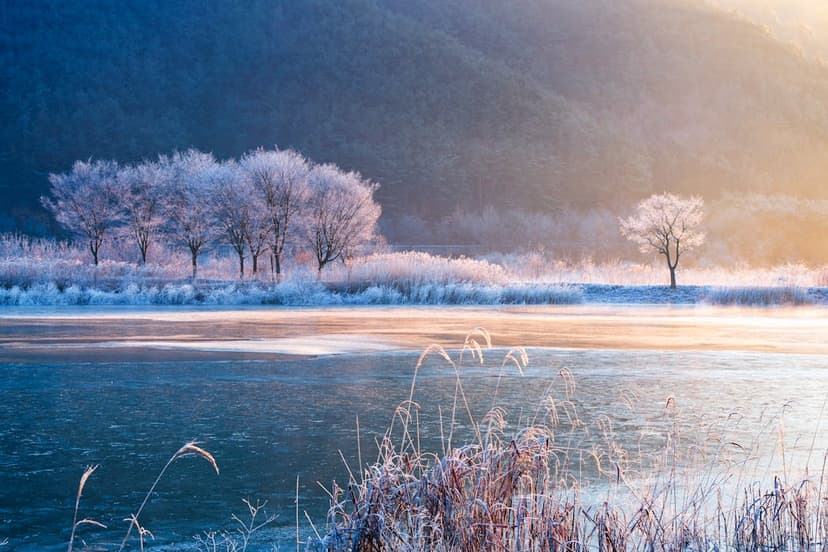
Soil microorganisms, acting as Earth's recyclers, diligently break down organic matter during winter, preparing nutrients for spring plant growth. Among these, arbuscular mycorrhizal fungi play a critical role, residing in over 75% of plant species. These fungi supply plants with essential nutrients and water in exchange for carbon. Snowpack traditionally insulates these organisms, but warmer winters and altered snow conditions, such as rain-on-snow events or insufficient snowfall, leave them vulnerable to freezing.
A study in Rocky Mountain grasslands revealed that plots warmed by 2 degrees Celsius over three decades transformed from grasslands to shrublands. Beneath the surface, a significant reduction in beneficial mycorrhizal fungi was observed, diminishing plants' ability to acquire nutrients and withstand environmental stressors like freezing and drought.
Warmer winters create a timing mismatch between microbial and plant activity. Microorganisms become active earlier, but plants, cued by light, do not follow suit, preventing nutrient transfer. Furthermore, early snowmelt can lead to nutrient leaching into waterways, similar to agricultural runoff, starving plants and potentially creating dead zones.
These interconnected changes—timing disruptions, nutrient loss, and prolonged soil freezing—collectively result in reduced spring growth. While ecosystems possess resilience, the adaptation of both plants and mycorrhizal fungi to these altered winter conditions will determine the future of these hidden underground worlds.