Home / Environment / Wales' Dry Spell Unearths Ancient Secrets
Wales' Dry Spell Unearths Ancient Secrets
25 Jul
Summary
- Hot, dry weather revealed archaeological sites unseen for decades.
- Discoveries include Roman buildings and World War One trenches.
- Crop marks indicate buried structures, visible from the air.
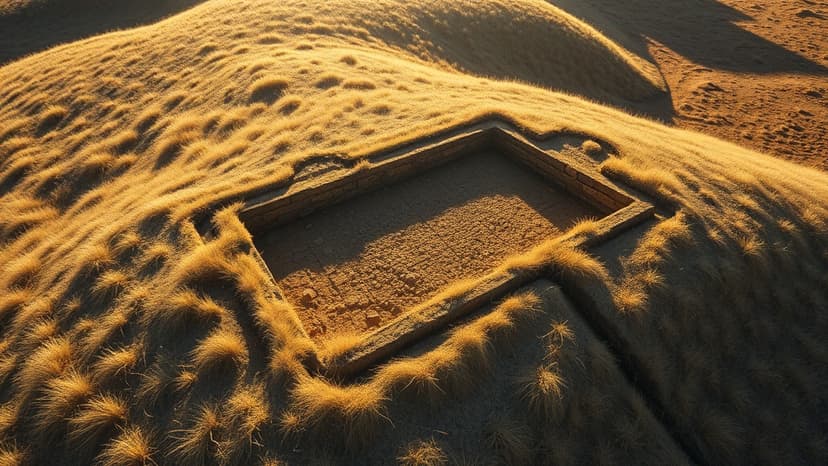
A prolonged period of hot and dry weather across Wales has led to the emergence of numerous archaeological sites, many of which have remained hidden for years. These conditions, including a drought in some areas, have revealed buried monuments dating from prehistoric times to World War One.
Experts have observed crop marks in grasslands, formed by vegetation growing over subterranean fortifications, highlighting remains like Roman buildings and practice trenches. These aerial discoveries, though fleeting, offer valuable insights into the region's history.
Archaeologists are actively documenting these findings, which range from Neolithic long barrows to Roman forts. The recurring heatwaves, now an annual occurrence, facilitate such discoveries, although challenging flying conditions can sometimes obscure faint crop marks, necessitating digital image enhancement.
Notable finds include a 5,000-year-old Neolithic long barrow in Welshpool, buried Roman structures at Caerhun, World War One trenches near Deganwy, and a previously unrecorded farmstead in Ceredigion. These discoveries underscore the impact of climate on revealing historical landscapes.


