Home / Environment / South Carolina's Last Undeveloped Shore: Waites Island
South Carolina's Last Undeveloped Shore: Waites Island
15 Feb
Summary
- Waites Island remains largely untouched, accessible only by boat or horseback.
- The island is a protected wildlife refuge and a research site for Coastal Carolina University.
- It was once home to the Waccamaw Tribe and later preserved by Anne Tilghman Boyce.
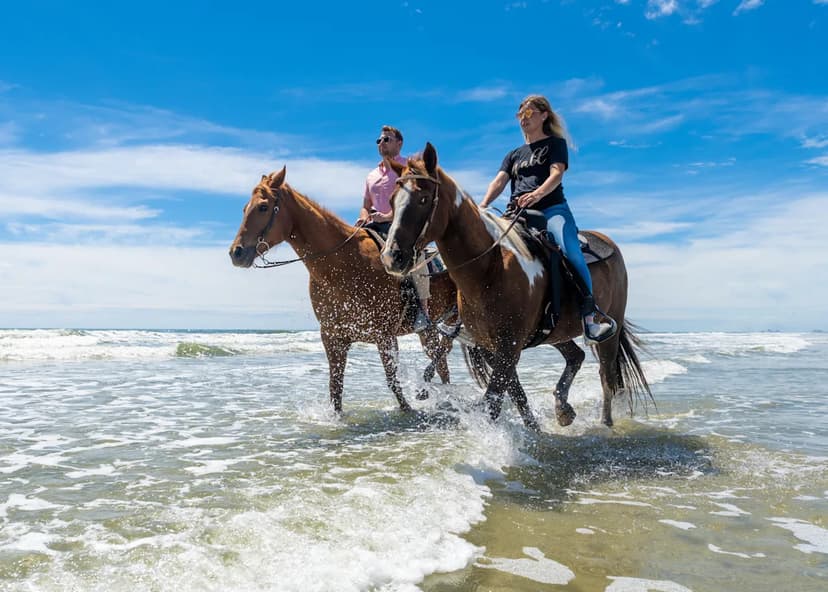
Waites Island, a secluded barrier island in South Carolina, presents a rare opportunity to experience an undeveloped coastline. With no roads or modern amenities, access is limited to horseback, small boat, or kayak, preserving its tranquil atmosphere. The island's landscape consists of salt marshes, windswept beaches, and pine groves.
Historically, Waites Island was inhabited by the Waccamaw Tribe, evidenced by burial mounds and pottery fragments. Later, in the 1920s, Horace Tilghman acquired the land, and his granddaughter, Anne Tilghman Boyce, ensured its preservation for future generations by donating a significant portion to Coastal Carolina University with the condition it remain undeveloped.
Spanning over 1,000 acres with a three-mile shoreline, Waites Island is now a protected wildlife refuge and ecological research site for Coastal Carolina University. Studies focus on coastal erosion, habitat preservation, and island ecosystems. Visitors can observe diverse wildlife, including bald eagles, bottlenose dolphins, and nesting loggerhead sea turtles.
Activities on the island center on nature immersion, such as kayaking through salt marshes and horseback riding along the shore. Guided horseback tours are available year-round, with sunset rides being a popular choice. Water-based exploration is also offered through guided kayak eco-tours, timed with the tides for easy paddling through creeks and opportunities to learn about the ecosystem and local history.
In a region often characterized by rapid development, Waites Island stands as a testament to nature's pace. It offers a unique destination for travelers seeking tranquility and a connection to the natural environment, serving as a reminder of the South Carolina coast's past and its potential for preservation.