Home / Environment / Viral TikTok Video Exposes Plastic Pollution Defiling Nature
Viral TikTok Video Exposes Plastic Pollution Defiling Nature
4 Oct, 2025
Summary
- TikTok video highlights plastic waste in natural spaces
- Overlaid text reads "Nature is not your trash can"
- Microplastics contaminate soil, water, and air, harming wildlife and ecosystems
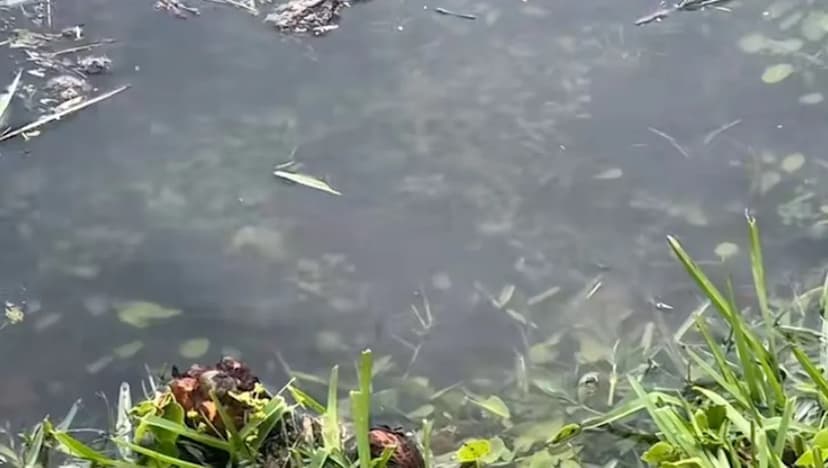
On October 2nd, 2025, a TikTok video posted by user @plasticreallysucks has sparked a widespread conversation about the urgent issue of plastic pollution in natural environments. The video, which has since gone viral, features a series of serene landscapes, each marred by the presence of discarded plastic waste.
Overlaid with the powerful message "Nature is not your trash can," the video serves as a dire wake-up call, highlighting the devastating impact of human carelessness on the purity of our natural spaces. The footage showcases how plastic bottles, bags, and other garbage have transformed these once-pristine areas into personal landfills, detracting from their beauty and posing a severe threat to the surrounding ecosystems.
Experts warn that this plastic pollution is not merely an aesthetic issue, but one with far-reaching consequences. As the plastic breaks down into smaller microplastics, it can contaminate the soil, water, and air, harming wildlife and disrupting the delicate balance of the environment. These microplastics can even make their way into the human food chain, potentially posing long-term health risks.
The video's powerful message has resonated with viewers, who have expressed a strong desire for collective action to address this pressing problem. Commenters have called for greater respect and responsibility in how we treat our natural wonders, recognizing that these spaces belong to all of us and should be preserved for generations to come.
As the world grapples with the urgent need to address plastic pollution, this TikTok video serves as a poignant reminder of the work that lies ahead. By raising awareness and promoting responsible waste disposal, we can work towards a future where our natural spaces are respected, protected, and enjoyed in their pristine state.


