Home / Environment / Vermont Forest Fight: Logging vs. Retreat
Vermont Forest Fight: Logging vs. Retreat
20 Mar
Summary
- Silent retreat disrupted by logging operations near Green Mountain National Forest.
- US Forest Service project aims to create young forests for wildlife habitat.
- Debate continues over active forest management versus conservation in Vermont.
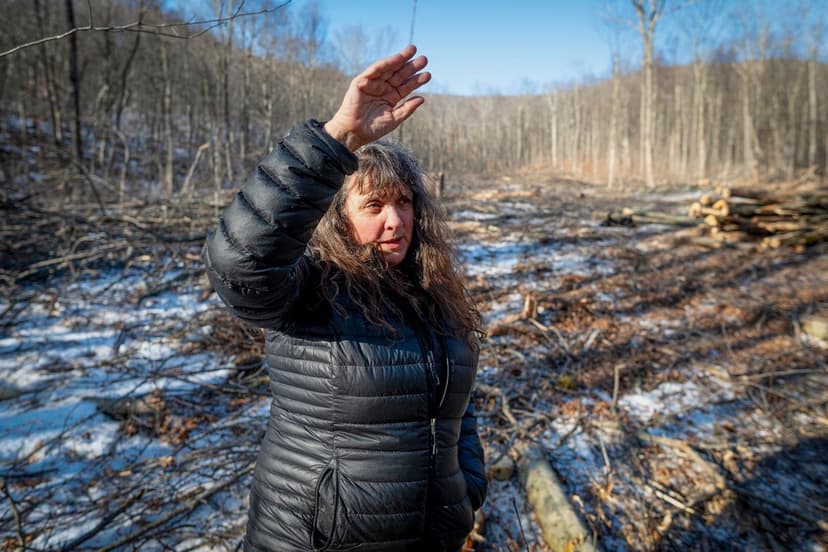
In late November 2025, Tracey Forest reported significant noise and tree felling near her Spirit Hollow silent retreat, bordering Green Mountain National Forest. This logging is part of the U.S. Forest Service's 15-year Early Successional Habitat Creation Project, initiated in 2019 to promote young forests and wildlife habitat across over 14,000 acres. The project involves various forestry methods, including patch clearcutting, to create diverse forest ages. This has reignited a debate in Vermont concerning the benefits of active forest management versus allowing forests to grow wild. The Forest Service utilized a "Condition-Based Management" approach, which has faced criticism for potentially limiting public input on project modifications. Spirit Hollow, operating since 2000, offers nature-based programs but was forced to relocate guests due to the logging disturbance. The Ruffed Grouse Society supports the project, believing the short-term impacts will yield long-term benefits for bird populations. However, conservation groups like Standing Trees and Restore: The North Woods argue that the project negatively impacts biodiversity and local livelihoods, questioning the prioritization of certain species.
Concerns have also been raised regarding the transparency of the project's rollout and public notification processes. Forest expressed a lack of consultation and difficulty obtaining information, nearly impacting her business. Environmental activists and lawyers are wary of the condition-based approach, citing potential violations of environmental review laws. While the Forest Service asserts this method meets NEPA requirements, critics like Andrew Cliburn suggest it streamlines processes under pressure to increase logging. Vermont Audubon and the Vermont Natural Resources Council have objected to the project's scale, particularly the initial road construction plans, and the limited public comment opportunities. Following persistent objections, the Forest Service reduced road construction and assured that condition-based management would not be a future practice on the Green Mountain National Forest, aiming to improve public engagement.