Home / Environment / Bears Feast on Vermont Backyards: A Growing Problem
Bears Feast on Vermont Backyards: A Growing Problem
23 Mar
Summary
- Vermont's bear population has significantly increased in recent years.
- Bears are emerging from dens earlier due to climate change.
- Human development encroaches on bear habitats, increasing encounters.
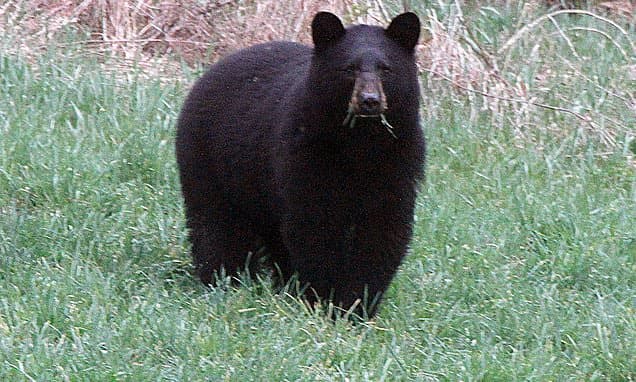
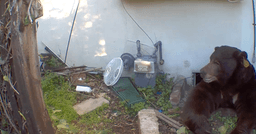
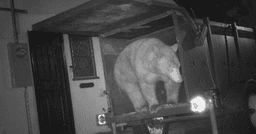
Vermonters are experiencing a noticeable increase in black bear activity in their backyards. As bears emerge from dens earlier each spring, driven partly by shorter, milder winters, they actively seek out readily available food sources like bird feeders, compost piles, and garbage. This behavior is reinforced as the state's bear population has grown substantially over the past decade.
The Vermont Fish and Wildlife Department estimates the bear population has risen to between 6,500 and 8,000 individuals, far exceeding the desired range. Experts note that human development continues to fragment natural habitats, making encounters with bears more inevitable as wildlife corridors shrink and bears are forced into closer proximity with human settlements.
To mitigate these growing conflicts, wildlife officials urge Vermonters to proactively remove or secure potential food attractants early in the season. This includes taking down bird feeders, using bear-resistant trash containers, and bear-proofing chicken coops and beehives. Educating visitors about best practices is also crucial, especially in popular tourist areas like Stowe.
These changes also impact other wildlife species. Altered winter conditions affect the camouflage of snowshoe hares and short-tailed weasels, and reduce insulation for small mammals burrowed in snow. Conservation efforts focused on protecting land corridors are vital for not only bears but also for numerous other species sharing Vermont's evolving landscape.