Home / Environment / 99% of Vellingiri Waste Non-Recyclable
99% of Vellingiri Waste Non-Recyclable
12 Feb
Summary
- 28 tonnes of waste collected from Vellingiri hills in 2025.
- Nearly all removed waste was non-recyclable, posing disposal challenges.
- Forest Department screening prevented 14-15 tonnes of plastic litter.

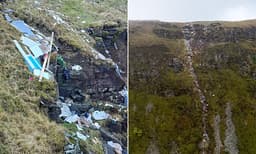
In 2025, a significant cleanup effort on the Vellingiri hills removed approximately 28 tonnes of waste from the trekking routes. This extensive collection revealed that nearly 99% of the refuse was non-recyclable, posing a substantial environmental challenge. Volunteers identified common items such as single-use plastics, polythene bags, water bottles, and snack wrappers among the discarded materials.
Despite the large volume, over 90% of the collected waste could not be recycled due to contamination with soil and the presence of multi-layered plastics. These materials were subsequently converted into Refuse-Derived Fuel (RDF) for use in cement industries. Notably, discarded clothing, especially after pilgrims used the Andisunai stream, contributed significantly to this non-recyclable waste.
To mitigate the issue, the Forest Department's screening at the foothills prevented an estimated 14 to 15 tonnes of plastic items from reaching the hills. Initiatives like a deposit system for water bottles were also implemented to encourage their return. Some of this non-recyclable plastic waste is being repurposed into products like shelves and benches for the Forest Department.