Home / Environment / Valentine Roses: A Toxic Chemical Cocktail?
Valentine Roses: A Toxic Chemical Cocktail?
14 Feb
Summary
- Roses imported to Europe found heavily contaminated with banned pesticides.
- One bouquet contained 26 different pesticides, half banned in the EU.
- Campaigners advise disposing of contaminated flowers as residual waste.
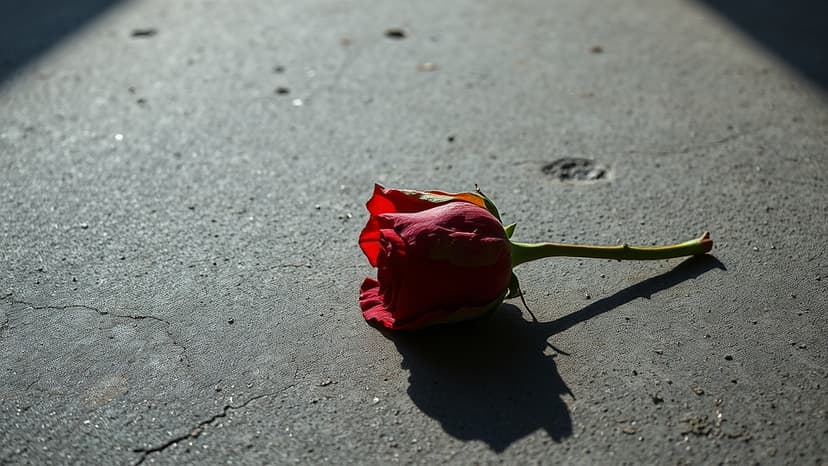
Roses imported into Europe for Valentine's Day have been found to be heavily contaminated with pesticides, including chemicals banned in the EU and UK. Laboratory tests conducted in the Netherlands, a major flower import hub, revealed that roses, particularly red varieties, had the highest residues of neurotoxins and reproductive toxins compared to other flowers. One bunch tested positive for 26 different pesticides, half of which are banned for use within the EU.
These findings raise significant concerns as Valentine's Day is a peak period for the flower industry, with approximately 200 million roses produced for the European market. Many of these stems embark on long journeys from countries like Colombia, Kenya, and Ethiopia, where regulatory standards for pesticide use are less stringent. Experts recommend opting for organically grown, seasonal flowers as a safer alternative for gifts and advise consumers to dispose of contaminated bouquets as residual waste, not compost, to prevent the spread of toxins into nature.