Home / Environment / Drought-Stricken Utah Bets on Electrical Towers for Snow
Drought-Stricken Utah Bets on Electrical Towers for Snow
25 Aug
Summary
- Electrical towers near Moab aim to increase snowpack by pulsing charges into clouds.
- Cloud seeding technology is seeing increased investment due to climate change-fueled drought.
- New methods, like ionization and drones, offer alternatives to traditional silver iodide.
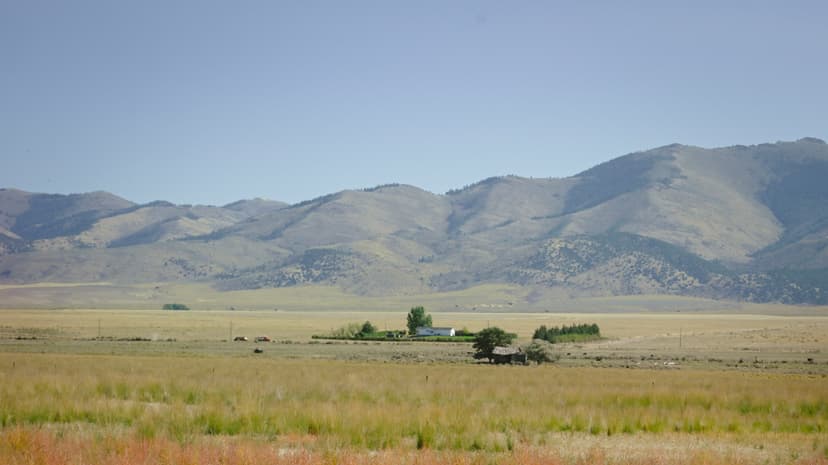
As drought grips Utah, a unique solution has emerged: a towering electrical device near the La Sal Mountains designed to seed clouds. The company behind the technology claims it increased snowfall by 15% last winter by sending electrical charges into the atmosphere. This innovative approach reflects a growing trend across the parched Western U.S., where state agencies and water utilities are investing heavily in weather modification, particularly cloud seeding, to augment rain and snow.
Traditional cloud seeding uses silver iodide, but new companies are developing cheaper, less toxic alternatives, some employing drones. The ionization towers, costing about $100,000 annually per lease, represent a significant gamble for water districts like Moab's Grand Water and Sewer Service Agency. Despite the cost and initial doubts, the deepening water crisis is pushing communities to explore such potentially risky, yet promising, technologies.
Scientific understanding of cloud seeding has advanced, with studies like SNOWIE providing evidence of its effectiveness. This has spurred increased funding, with states like Idaho and Utah allocating millions to weather modification programs. While precise precipitation increases are hard to quantify, Utah estimates its efforts yield 6-12% more precipitation annually, an estimated 200,000 acre-feet of water. However, concerns remain about environmental impacts and unintended downwind consequences.


