Home / Environment / Utah Bears on the Move: Drought Drives Human Encounters
Utah Bears on the Move: Drought Drives Human Encounters
5 Aug
Summary
- DWR reported 56 bear incidents in 2026, a significant increase from 41 last year.
- Drought reduces natural food sources, forcing bears to expand territories.
- Public urged to secure food and trash to prevent bear habituation and potential euthanasia.
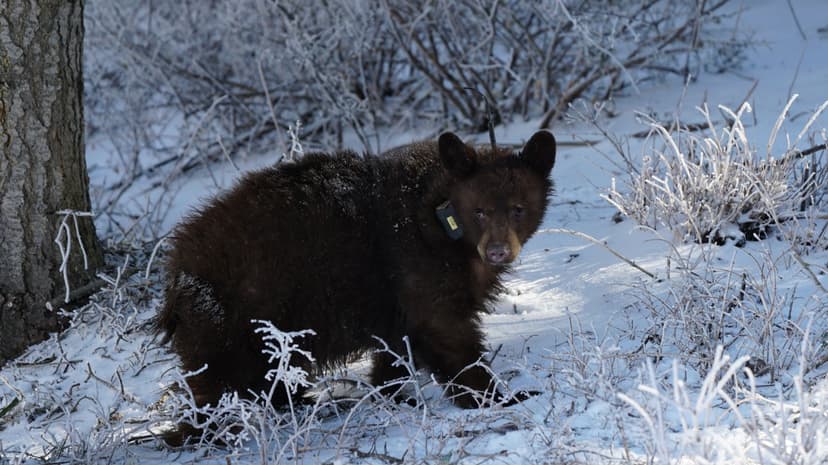
As of August 5, 2026, Utah is experiencing a notable surge in human-bear encounters, with 56 incidents logged by the Division of Wildlife Resources (DWR) this year, a significant jump from 41 during the same period in 2025. Wildlife officials attribute this increase primarily to the ongoing drought conditions across the state.
The drought has severely impacted the availability of natural food sources, such as plants and roots, which constitute about 90 percent of a bear's diet. This scarcity is forcing bears to expand their usual home ranges in search of sustenance, leading them into closer proximity with human populations and residential areas.
While no human injuries have been reported this year, DWR emphasizes the importance of preventative measures. Bears that become accustomed to human food or trash can become habituated and less fearful, potentially leading to aggressive behavior when protecting perceived food sources. Such situations can unfortunately result in the necessary euthanasia of the animal.
To mitigate these risks and keep bears wild, DWR advises the public to diligently secure all food, trash, and scented items like toiletries in bear-proof containers or storage. This includes safeguarding bird feeders, pet food, compost piles, and fruit trees. Promptly cleaning picnic areas and grills is also crucial.
If a bear is encountered, it is advised to stand ground and appear as large as possible. Traveling in groups can deter bears. In the event of an attack, fighting back is recommended, as black bears often retreat when met with resistance. Bear sightings should be reported to DWR if they occur near public areas, campgrounds, or populated towns.


