

Home / Environment / Scotland finds new mosquito virus in birds
Scotland finds new mosquito virus in birds
1 Apr
Summary
- Usutu virus, carried by mosquitos, found in Scottish blackbirds.
- Virus can cause significant declines in blackbird populations.
- Risk to humans is very low; no human cases reported to date.
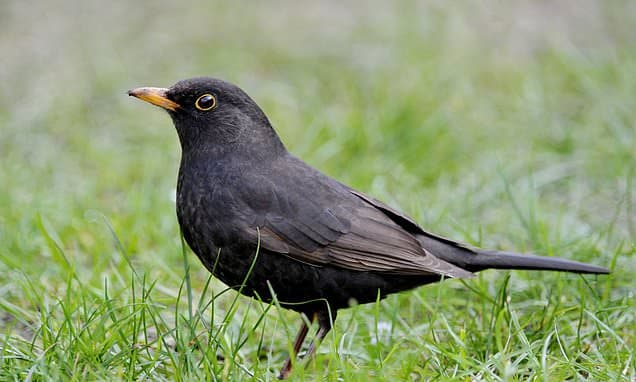
A mosquito-borne virus known as usutu virus has been identified in Scotland for the first time, detected in blackbirds on the Isle of Arran. This discovery was made through a national bird surveillance program after locals reported seeing dead blackbirds or birds displaying neurological symptoms during the summer of 2025.
Usutu virus, which is transmitted by mosquitos and primarily carried by wild birds, has been circulating in southeastern England for six years. The Animal and Plant Health Agency (APHA) has stated that while the virus can cause significant declines in blackbird populations in many European countries, the risk to the public remains very low, with no human cases reported to date.
This detection underscores the growing risk of mosquito-borne viruses in more northern regions. Experts emphasize the importance of enhanced nationwide surveillance for wild birds and mosquitos to better assess risks to both animal and human health. The collaborative surveillance effort involved APHA, Scotland's Rural College (SRUC) Veterinary Services, and the University of Glasgow's Mosquito Scotland research program.
Researchers confirmed the presence of several mosquito species capable of spreading usutu virus near where the infected birds were found. The public is encouraged to report any dead birds, especially songbirds or those showing neurological signs, and to minimize mosquito breeding grounds by eliminating stagnant water in gardens, particularly from April to October.
