
Home / Environment / US Wetlands Vanish: Storms Outpace Conservation
US Wetlands Vanish: Storms Outpace Conservation
19 May
Summary
- US lost 400,000 acres of tidal wetlands from 1985 to 2023.
- Intense hurricanes are the dominant driver of wetland loss.
- California's wetlands are expanding due to restoration.
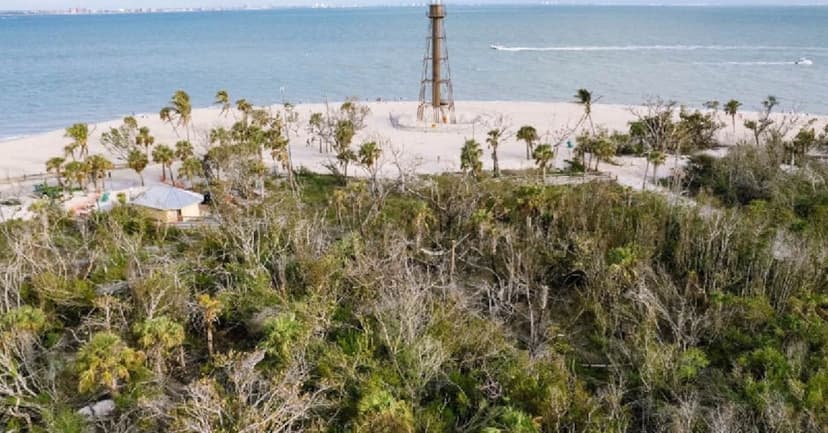
Tidal wetlands across the United States are vanishing at an increasing rate, with Louisiana bearing the brunt of these losses. Between 1985 and 2023, the nation lost approximately 400,000 acres of these vital coastal ecosystems. While gradual sea-level rise accounts for about 60% of these losses, the accelerating decline is predominantly driven by more frequent and intense hurricanes and extreme weather events.
Conservation efforts have successfully reduced direct human-caused losses to a mere 4%. However, research indicates these policies are insufficient to shield wetlands from climate-driven pressures. Rising sea levels push ecosystems to their limit, making them susceptible to extreme events that can cause abrupt, large-scale destruction.
Geographic patterns of wetland change vary significantly. The Gulf Coast has experienced the highest rates of loss, with Louisiana's tidal wetlands shrinking by 16.6%. In contrast, California has seen a notable expansion of about 16.7% in its tidal wetland area, attributed to robust restoration and protection efforts and a lack of hurricanes.
While overall mangrove forest area remained stable, this statistic masks significant shifts. Mangroves are expanding northward into former tidal marsh areas due to warming winters but face severe dieback from hurricanes in southern regions. The Atlantic Coast's wetland losses are accelerating, while the Pacific Coast has shown greater resilience.
