Home / Environment / Climate Fuels Insurance Crisis: US Counties Uninsurable
Climate Fuels Insurance Crisis: US Counties Uninsurable
10 Jul
Summary
- Monroe County, Florida, is the nation's least insurable county.
- Home insurance costs soar, exceeding national averages significantly.
- Climate change exacerbates wildfire, flood, and storm risks.
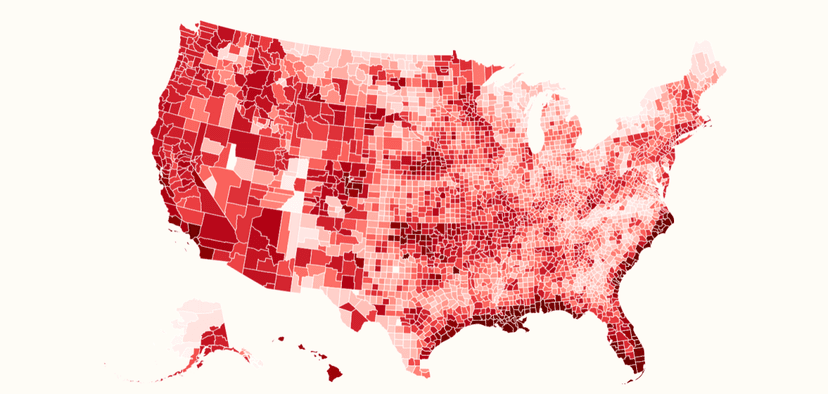
Securing home insurance has become a significant challenge across the United States as climate change intensifies natural disasters. Monroe County, Florida, specifically the Florida Keys, has been identified as the least insurable county nationally. This region faces average annual homeowners premiums that are 661% higher than the national average, reaching $22,436. Flood coverage adds an additional $4,697, consuming over a quarter of the county's average household income. Many homeowners, facing these extreme costs, opt out of coverage, with 16% in Monroe County uninsured.
Other Gulf and South Atlantic coastal counties also rank among the least insurable. Dare County, North Carolina, and several parishes in Louisiana, including Plaquemines and Orleans, exhibit high insurability scores and triple-digit premium increases compared to national figures. These areas are prone to hurricanes, which cause significant damage and drive up insurance rates. The cost of reconstruction materials further contributes to these rising premiums.
Major housing markets in California, Colorado, Florida, and Texas also show high insurance costs. Los Angeles County leads these metro areas, with Florida's Lee, Broward, and Miami-Dade counties following closely. The concentration of homes in these high-risk counties indicates a substantial number of homeowners are facing dire insurance situations. Nationwide, the average home insurance premium has increased by 46% to $2,948 annually since 2021, reflecting the broader impact of unpredictable weather events.


