Home / Environment / Billions for Grid Resilience: Battling Extreme Weather
Billions for Grid Resilience: Battling Extreme Weather
8 Jun
Summary
- EPRI's Climate READi framework unifies grid resilience planning.
- DOE's GRIP program invests billions to upgrade U.S. power grid.
- National labs develop science-based tools for grid modernization.
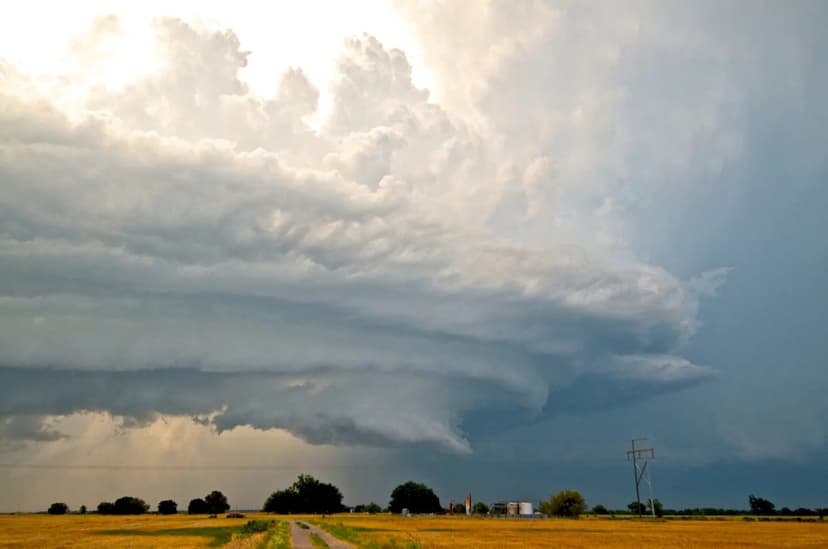
The U.S. power grid is undergoing a significant transformation to withstand escalating extreme weather events. The Electric Power Research Institute (EPRI) has developed the Climate READi framework, a comprehensive initiative involving over 40 utilities and numerous academic and governmental bodies. This framework offers a standardized approach to assessing and planning for climate risks, integrating them with other grid challenges like demand growth and decarbonization.
The U.S. Department of Energy (DOE) is supporting these efforts through substantial investments. Programs like the Grid Resilience and Innovation Partnerships (GRIP) have allocated billions of dollars, with approximately $3.46 billion announced in October 2023 and around $4.2 billion in October 2024, to enhance grid resilience against natural disasters. A further funding opportunity, SPARK, totaling approximately $1.9 billion, was announced in March, aiming to accelerate transmission upgrades.
National laboratories, including the National Laboratory of the Rockies and Pacific Northwest National Laboratory, are crucial for the scientific backbone of these initiatives. They convert climate science into practical models and methodologies for grid operators and communities, addressing both system-wide and local resilience needs. Despite these advancements, oversight bodies like the GAO have noted a lack of a cohesive, department-wide strategy from the DOE for resilience efforts, urging for clearer coordination.
The challenge remains integrating these developed tools and funding into a coherent national strategy quickly enough. Electricity demand is rising due to factors like data centers and hotter climates, coinciding with a more hostile weather environment for the infrastructure. While the essential components for a robust response now exist, their rapid and unified implementation is key to future grid stability.


