Home / Environment / US Food Waste: Landfills Fill, Greenhouse Gases Rise
US Food Waste: Landfills Fill, Greenhouse Gases Rise
26 Nov
Summary
- Americans discard 30-40% of all food produced annually.
- Food waste in landfills creates potent methane gas emissions.
- NYC's compost facility turns waste into usable garden products.
Americans discard approximately 30-40% of the food produced nationwide, equating to roughly one-third of all edible food. This substantial waste contributes significantly to environmental concerns, particularly when food ends up in landfills. There, it decomposes into methane, a greenhouse gas far more potent than carbon dioxide, impacting climate change.
The holiday season intensifies the problem, with Thanksgiving alone seeing vast amounts of turkey wasted. Beyond household waste, agricultural production also faces losses due to cosmetic standards and environmental factors. This creates a cycle where waste contributes to climate events that further damage crops.
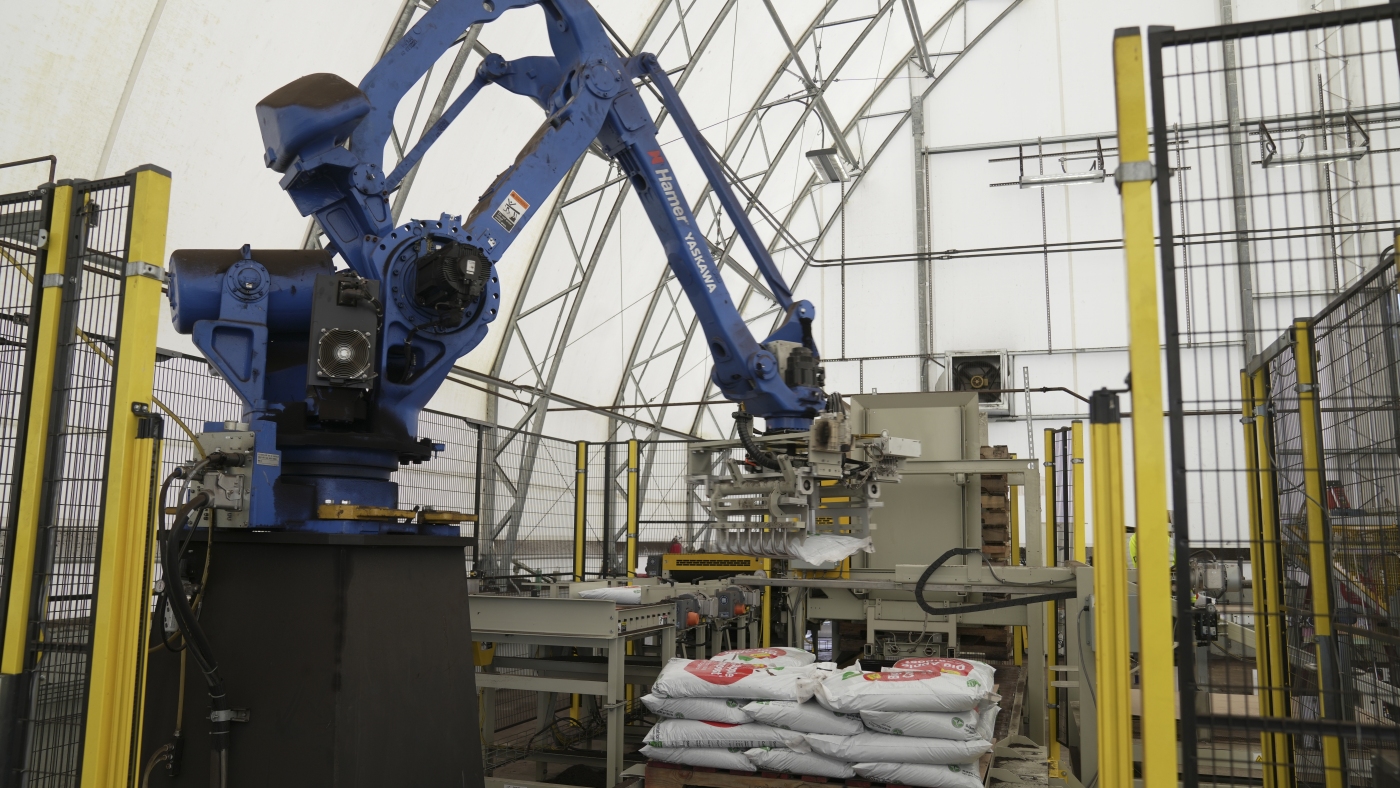
To combat this, initiatives like New York City's expanded Staten Island Compost Facility are crucial. This facility processes food waste into usable compost, embodying a circular economy approach. While challenges like infrastructure costs and public education exist, successful composting programs can significantly reduce landfill waste and mitigate environmental harm.