

Home / Environment / Nationwide Drought: Water Restrictions Tighten
Nationwide Drought: Water Restrictions Tighten
20 Apr
Summary
- Over 61% of the US faces drought, impacting 45 states.
- Arizona town warns of potential water depletion by July.
- Restrictions range from voluntary tips to mandatory fines.
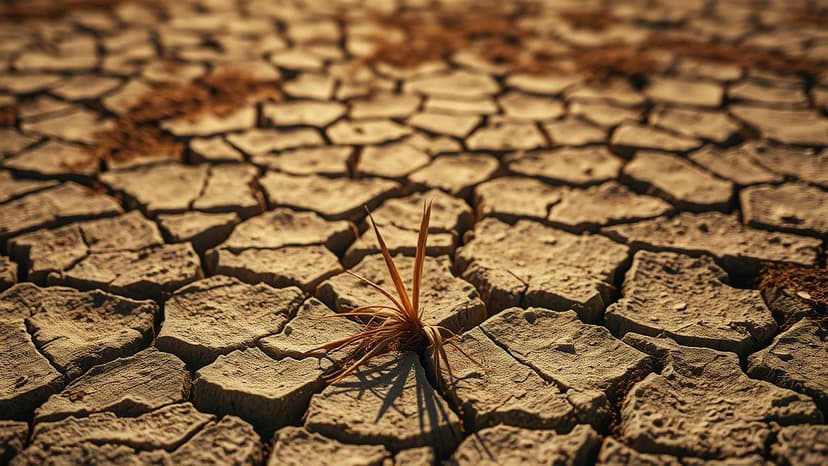
Drought conditions are widespread across the United States as of April 20, 2026, with more than 61% of the nation experiencing water scarcity. Forty-five out of fifty states are currently affected by drought, highlighting a critical national issue.
Several communities are already enacting strict water restrictions. Kearny, Arizona, has warned its 2,000 residents that the town could officially run out of water by July, implementing a 30% conservation mandate that prohibits activities like car washing and pool filling.
States including Colorado, the Carolinas, Virginia, and Florida are implementing a range of measures. These can include voluntary calls for shorter showers and fewer laundry days, to mandatory restrictions on outdoor watering with potential fines, as seen in Denver.
In the Carolinas, Charlotte Water has introduced voluntary restrictions on nonessential water use. Similarly, Caroline County, Virginia, has mandated alternating days for automatic irrigation system use to manage capacity. Corpus Christi, Texas, is under stage 3 restrictions, limiting lawn watering and car washing.
Businesses are also affected, with restaurants in Raleigh, North Carolina, now serving tap water only upon request. Hotels are encouraging guests to reuse towels and sheets. These measures are expected to continue until significant rainfall occurs.
Large water consumers like farms and data centers are also under scrutiny. Agriculture, a major water user for irrigation, faces shorter seasons, while high-tech data centers, which can consume vast amounts of water for cooling, are increasingly being looked at in the context of water shortages.
The severity of the drought serves as a critical test of the nation's resilience to changing snowpack and water supply, with potential economic impacts and an increased risk of wildfires.
