
Home / Environment / Drought Cripples US Farms: Wheat Crop Faces Devastation
Drought Cripples US Farms: Wheat Crop Faces Devastation
29 May
Summary
- Over 60% of the continental US faces moderate to severe drought.
- Winter wheat crop rated poor to very poor, nearing Dust Bowl levels.
- Western reservoirs like Lake Mead and Powell are critically low.
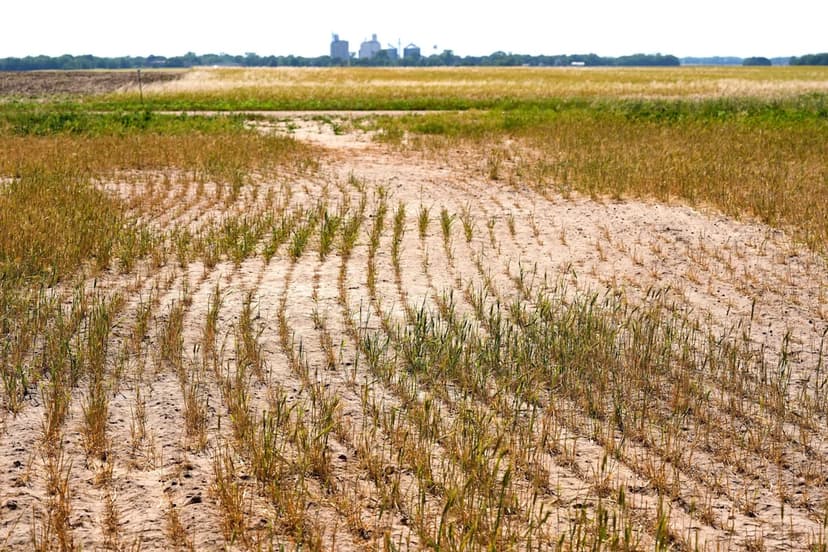
A widespread drought is severely impacting farms across the United States, with over 60% of the continental landmass currently under moderate to severe drought conditions. This dry spell, which began in the autumn of 2025, has put a significant portion of the nation's winter wheat crop at risk. Data indicates that up to 44% of this year's winter wheat is rated as poor to very poor, a situation not seen since 1933, with states like Nebraska, Colorado, Oklahoma, Texas, and Kansas being particularly affected.
The agricultural sector's struggles extend to the cattle industry, with poor rangeland and pasture conditions affecting livestock. In the West, the situation is exacerbated by critically low water levels in reservoirs such as Lake Mead and Lake Powell. These reservoirs are vital for irrigating farmlands that supply much of the nation's produce. Farmers relying on groundwater may face issues with water quality and land subsidence due to overuse.
While recent rains have provided some relief in the Midwest, they are insufficient to recover from the prolonged dry spell. Experts anticipate monsoon season in July and subsequent El Niño conditions in the fall of 2027 to potentially bring drought relief. However, the period until monsoon onset remains critical for many agricultural regions.
