Home / Environment / US Drought Worsens: Water Shortages and Fire Risk Loom
US Drought Worsens: Water Shortages and Fire Risk Loom
10 Apr
Summary
- Sixty percent of the US faces drought, highest percentage for early April since 2000.
- Nebraska fires destroyed over 640,000 acres, impacting farms and ranches.
- Denver mandates 20% water usage cut due to unprecedented drought conditions.
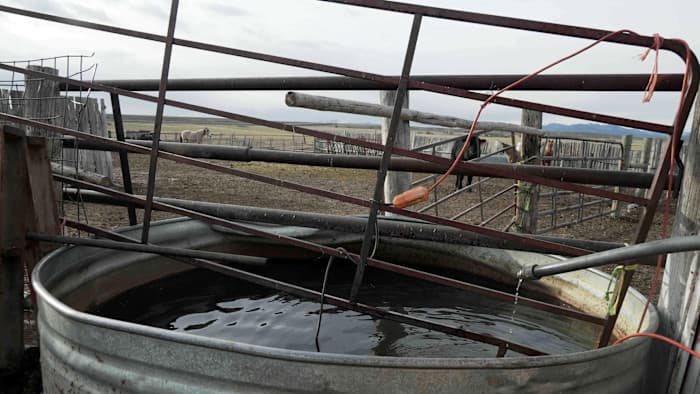
As of April 2026, over 60% of the United States is grappling with drought conditions, the highest recorded percentage for early April since the drought monitor began in 2000. This widespread dryness, coupled with near-record spring temperatures, intensifies the threat of water shortages and elevates fire risks across the nation.
Wildfires have already caused significant damage, with over 640,000 acres destroyed in Nebraska in March, its worst fire on record and a devastating blow to farms and ranches. Other regions, including parts of Colorado and Texas, face historically high fire danger for this time of year. Scientists anticipate a potential return of the El Niño warming cycle between June and August 2026, which could further intensify heat driven by climate change.
Water reserves are critically low in many western states, where snowpack typically supplies up to 75% of water. Record heatwaves in March accelerated snowmelt, leaving reservoirs at significantly reduced levels. For instance, Utah's reservoirs are at 39% capacity, far below the median. Denver, facing unprecedented conditions, has mandated a 20% reduction in water usage.
Farmers and ranchers, particularly in the Midwest and Texas, are facing severe consequences. Wheat crops are in poor condition, and drought is forcing livestock producers to purchase expensive feed. The persistent lack of precipitation in many areas points to long-term water deficits, threatening herd rebuilding and overall agricultural stability.


