Home / Environment / US Blocks Global Plastic Treaty Talks
US Blocks Global Plastic Treaty Talks
24 Aug
Summary
- US opposes limits on plastic production in global talks.
- National security loophole is proposed by the US.
- Critics argue US is shielding petrochemical interests.
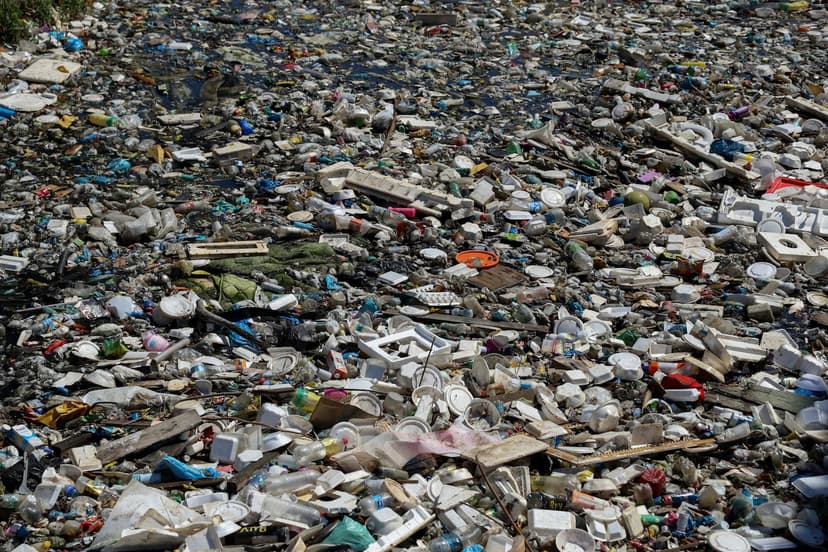
The United States has reportedly intensified its opposition to global limits on plastic production during ongoing treaty talks. A leaked diplomatic memo reviewed by The Washington Post suggests the U.S. is advocating for a broad exemption, citing national security grounds, which critics argue serves to protect petrochemical interests and fossil fuel industries.
This position contrasts with the urgency expressed by dozens of nations, including most EU members and many countries in Africa and Latin America, who seek robust restrictions to combat escalating plastic pollution, which now exceeds 57 million tons annually.
Negotiators from nearly 180 countries are nearing a critical point in these four-year-long discussions. Environmental advocates contend that the U.S. proposal, emphasizing waste management and private sector investment, could significantly weaken any forthcoming agreement, potentially undermining efforts to curb plastic waste.
Norway's minister of climate and the environment noted the U.S. memo aligns with its communicated stance but disagreed that restricting plastic items threatens economic growth, citing positive outcomes in countries that have implemented limits. Uganda's executive director defended all nations' rights to voice their views in international law.
Experts suggest the U.S. position has shifted, with current objections to production limits and a narrowed treaty scope, including new language on national security. This is seen by some as a convenient justification rather than a specific defense risk, potentially shielding economic interests.
The treaty chair's recent "Aid to Negotiations" document has also faced criticism for favoring national pledges over binding controls, with some experts believing it leans towards a less ambitious treaty agenda, influenced by countries like the U.S. Discussions on bridging proposals are expected in Bangkok later in September.


