Home / Environment / Rethink Cities: Parks Are Infrastructure Too
Rethink Cities: Parks Are Infrastructure Too
18 Sep
Summary
- Open spaces are crucial infrastructure for thermal comfort and rainwater management.
- Bengaluru research shows impervious landscapes are 2-6°C hotter than natural ones.
- Accessible green space planning must prioritize equity and walkability.
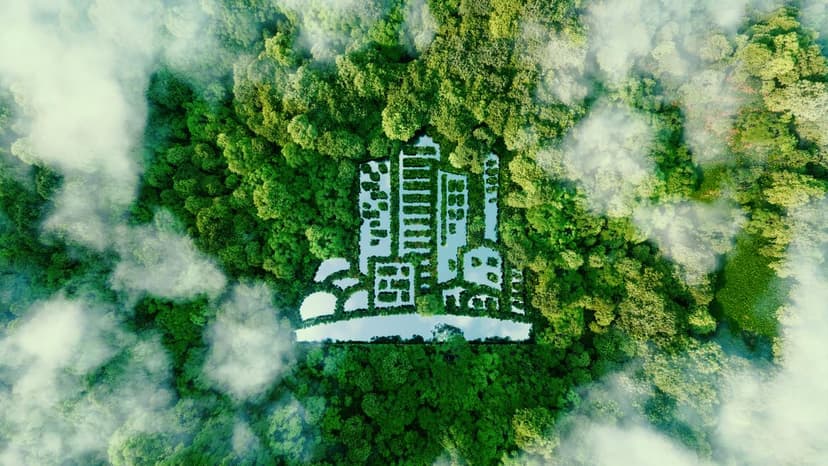
Urban planning in India often relegates open spaces to leftovers, a practice now deemed unsustainable. As cities densify and climate challenges escalate, integrating parks, landscapes, and permeable areas from the outset is critical. Research in Bengaluru reveals that impervious surfaces can raise land temperatures by 2-6°C compared to natural landscapes, emphasizing the cooling role of greenery.
These open areas function as vital urban infrastructure, contributing to thermal comfort, managing rainwater, supporting biodiversity, and improving air quality. Their strategic placement and accessibility ensure equitable benefits, moving beyond mere green cover statistics to practical, walkable access for residents. This integrated approach aims to create more functional and restorative urban environments.
The focus must shift to designing cities around nature, treating landscapes not as decoration but as integral components. This requires masterplans that incorporate trees, water-sensitive designs, and permeable surfaces alongside buildings and transit. Effective stormwater management and soil health are also paramount, especially in areas facing increased rainfall and rising temperatures.
While India needs compact, efficient cities, the challenge lies in distinguishing density from overcrowding. Thoughtful design during the initial phases can influence land use, building placement, and water management, ensuring intelligent growth. Ultimately, the success of urban development will be measured by how thoughtfully we create the spaces between our structures, fostering climate resilience and well-being.


