Home / Environment / Urban Bees: A Buzzing Debate
Urban Bees: A Buzzing Debate
26 Mar
Summary
- European honeybees can outcompete native species for resources.
- Urban beekeeping raises environmental concerns about disease spread.
- Supporting native bee habitats is crucial for local ecosystems.

Urban beekeeping has seen a significant rise, with companies like Alvéole managing numerous hives across cities such as Washington D.C. and New York City. This trend reflects a growing concern for honeybee populations, which have faced challenges from climate change, pesticides, and habitat loss. However, the practice introduces complexities regarding the environment.
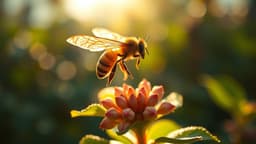
European honeybees, while crucial for commercial agriculture, are not native to North America. Their proliferation in urban areas can lead to competition with, and disease transmission to, native wild bee species. This has prompted some experts to question whether urban honeybee initiatives truly benefit bee populations or if they are a form of 'greenwashing'.
Research suggests that increased honeybee density can negatively affect wild bees, potentially due to competition for limited floral resources, especially in densely populated urban landscapes. Some studies indicate that urban honeybees may be a significant competitor, impacting native species.
Conservationists now advocate for prioritizing the support of native bee habitats, noting that North America hosts around 4,000 species of native bees, many of which are solitary. Creating pollinator pathways and planting native species are seen as more effective ways to bolster bee populations and promote biodiversity within cities.