Home / Environment / Uttar Pradesh: Wetlands Spark Eco-Tourism Boom
Uttar Pradesh: Wetlands Spark Eco-Tourism Boom
2 Feb
Summary
- Uttar Pradesh celebrated World Wetlands Day with events including a bird festival.
- Over ₹24 crore in tourism projects were inaugurated and foundation stones laid.
- The state is promoting Bundelkhand as an eco-tourism destination.
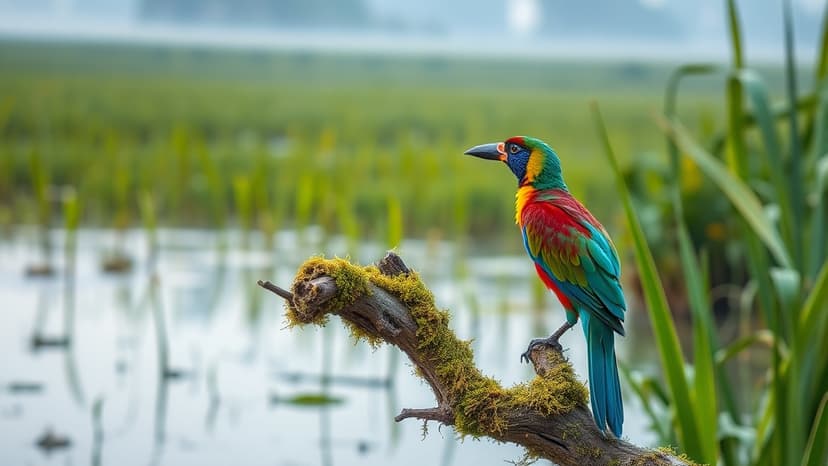
Uttar Pradesh observed World Wetlands Day on Monday with a series of nature-focused events, highlighted by a bird festival at Deogarh in Lalitpur district. The state government reinforced its dedication to developing Bundelkhand as a premier eco-tourism destination.
The Nature and Bird Festival, themed "Wetlands and Traditional Knowledge: Celebrating Cultural Heritage," took place at Deogarh's Mahavir Swami Wildlife Sanctuary. During this event, tourism projects valued at over ₹24 crore were inaugurated, with foundation stones laid for enhancements to visitor facilities.
Speaking at the festival, Tourism and Culture Minister Jaiveer Singh stated that the initiative underscores Uttar Pradesh's commitment to eco-tourism through wetland and biodiversity conservation. He emphasized Deogarh's pivotal role in positioning Bundelkhand on the global eco-tourism map.
The minister announced the "One District One Wetland" vision, following similar successful initiatives. The Eco Tourism Development Board is actively engaging youth and students through exposure visits and awareness programs to cultivate future eco-tourism ambassadors.
The Forest Department has identified 52 wetlands for basic facility development. Additionally, tourism infrastructure will be upgraded at the state's 11 Ramsar sites and four tiger reserves. International delegations from countries like the UK, Germany, Australia, and the US have already included Uttar Pradesh destinations in their itineraries.
World Wetlands Day was also marked at Gorakhpur's Shaheed Ashfaqullah Khan Zoological Park with a birdwatching program. Participants observed various local and migratory waterbirds, underscoring the ecological significance of these habitats.