Home / Environment / World Enters 'Water Bankruptcy' Era, UN Report Warns
World Enters 'Water Bankruptcy' Era, UN Report Warns
23 Jan
Summary
- Planet has entered global 'water bankruptcy' due to resource imbalance.
- 2.2 billion lack safe drinking water, 3.5 billion lack sanitation.
- India faces severe water stress with declining per capita availability.
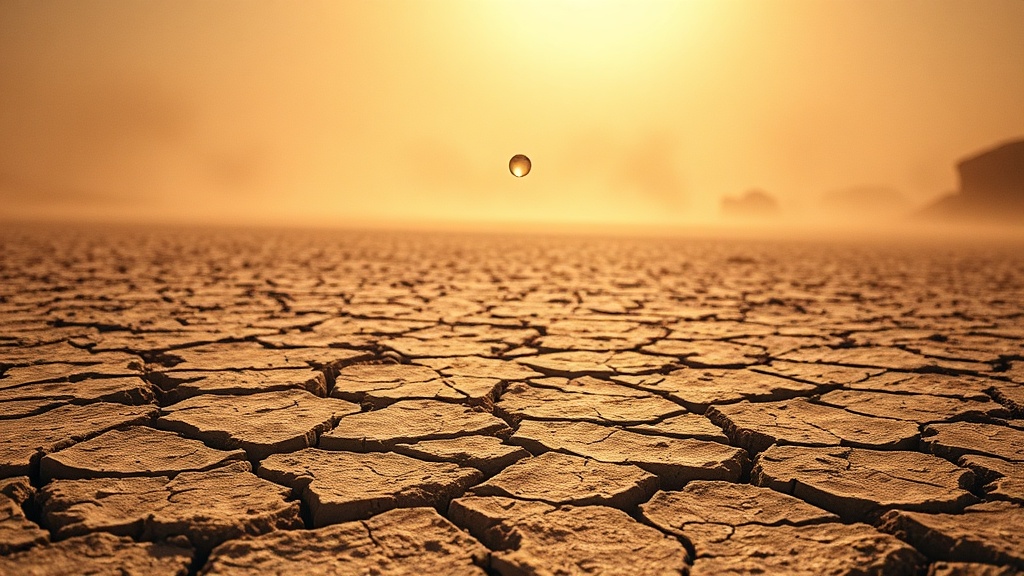
The United Nations has issued a stark warning: the world is now in an era of "global water bankruptcy." This designation highlights a critical structural imbalance between escalating water demand and finite resources, necessitating urgent action. The report underscores that this crisis profoundly impacts human survival and development, leading to crop failures, disease spread, and increased conflict.
Globally, the situation is dire, with 2.2 billion people lacking safe drinking water and 3.5 billion without safe sanitation. Furthermore, approximately 4 billion individuals experience severe water scarcity for at least one month annually. Nearly 75% of the world's population resides in water-insecure nations, with declining aquifer levels and unstable water storage affecting billions.
Climate change significantly exacerbates this crisis, altering rainfall patterns and making water resources more erratic. The report emphasizes that what were once considered temporary shortages are becoming chronic issues, pushing urban centers towards "Day Zero" scenarios. This signifies that cities are operating beyond their hydrological capacity.
To address this, a shift from crisis management to "bankruptcy management" is essential. This requires a transformative approach to human-water relations, integrating mitigation and adaptation strategies. The report's findings are particularly relevant as global events like the UN Water Conferences in 2026 and 2028 approach.
India faces a critical water situation, supporting 18% of the world's population with only 4% of global freshwater. Per capita surface water availability has dropped by 73% since 1951. Projections indicate that by 2030, water demand could double supply. Additionally, 70% of India's water sources are contaminated, posing significant health and livelihood risks.