Home / Environment / UMBC Destroys Forested Wetland: $27M "Restoration" Sparks Outrage
UMBC Destroys Forested Wetland: $27M "Restoration" Sparks Outrage
8 Feb
Summary
- UMBC clear-cut nearly 3 acres of trees and bulldozed a stream valley.
- Project violated state laws protecting wetlands, receiving over 30 violations.
- Community members and foresters criticize the $27 million project's environmental impact.
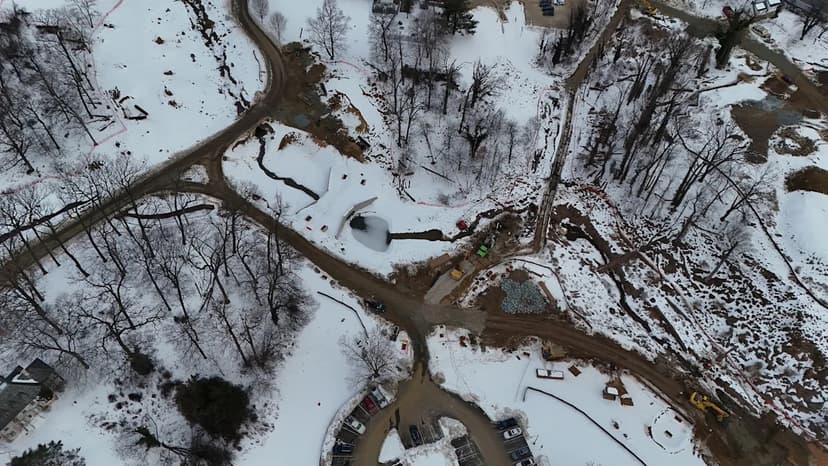
A $27 million project by the University of Maryland, Baltimore County (UMBC) to "restore and stabilize" a site has ignited controversy, with critics alleging clear-cutting of nearly 3 acres of trees and bulldozing of a stream valley and wetlands. Residents and foresters contend the project degrades the Herbert Run streambed and harms the environment, contradicting UMBC's stated goals. The university acknowledged it could have improved community outreach.
Inspections by the Maryland Department of the Environment revealed multiple violations of state laws protecting wetlands, including issues with silt fences, unstabilized slopes, and construction equipment in streambeds, contributing to increased erosion. Despite UMBC's plans for tree replacement and a five-year survival commitment, the community laments the destruction of the Spring Grove Arboretum, where volunteers had planted 1,000 trees in 2021. Many of these saplings were removed to facilitate construction.
UMBC purchased the Spring Grove Campus for $1 and stated the $27 million budget was for "restore, stabilize and remediate portions of the site." The project aims to address stream bank erosion and improve stormwater drainage along Herbert Run and its tributaries. However, foresters dispute the university's characterization, asserting that the clear-cutting and flattening will worsen erosion and degrade the streambed, impacting the health of the Chesapeake Bay. The Maryland Department of the Environment continues to monitor the site following numerous non-compliance findings.