Home / Environment / UK Summer Shatters Records: 2026 Becomes New Benchmark?
UK Summer Shatters Records: 2026 Becomes New Benchmark?
31 Aug
Summary
- 2026 saw more days over 30C than the benchmark year of 1976 by mid-July.
- Wildfires and hosepipe bans became common as the country experienced extreme dryness.
- Emergency services declared critical incidents due to unprecedented call volumes.
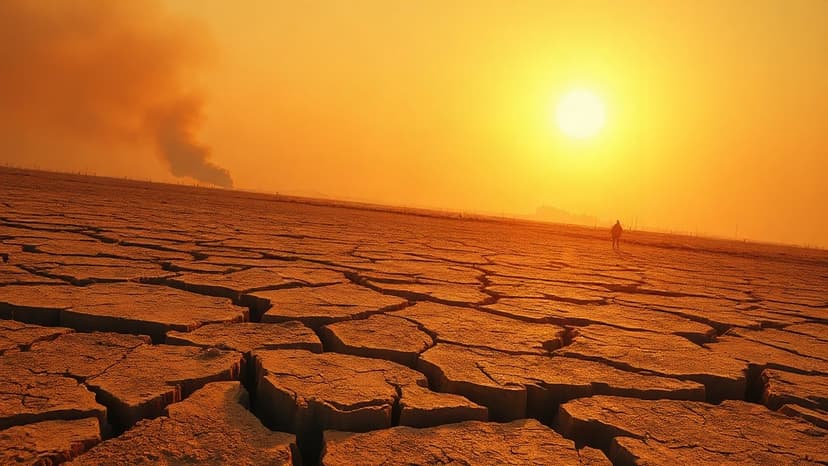
The summer of 2026 has established itself as a new benchmark for extreme heat in the UK, surpassing the records set in 1976. By mid-July, the number of days exceeding 30C had already surpassed the entire 1976 total. This period also marked the first time temperatures reached 35C in May, June, and July, with new June records set and broken within days.
The prolonged heat and lack of rain created tinder-dry conditions, leading to numerous wildfires across England. A national emergency alert was issued in August due to wildfire risks, prompting a temporary ban on disposable barbecues. Significant blazes, such as the one in the New Forest, destroyed large areas of heathland and ancient woodland, requiring extensive firefighting efforts.
Hosepipe bans became widespread as water levels dropped significantly, with Southern Water, Thames Water, and South East Water implementing restrictions across various regions starting in July. The Environment Agency formally declared a drought in parts of Hampshire, the Isle of Wight, and the Thames Valley. Wessex Water also introduced its first hosepipe ban in 50 years.
The extreme heat also forced school closures and reduced hours for around 200 schools at the peak of the June heatwave. Businesses like Greggs temporarily closed outlets, and rail services were affected. Emergency and health services faced unprecedented pressure, with several NHS trusts and ambulance services declaring critical incidents due to overwhelming call volumes and heat-related illnesses.
Analysis suggests climate change significantly contributed to the heatwaves, increasing daytime temperatures. Experts warn that hotter, drier summers are becoming the new norm for the UK, with potential implications for water supply and increased wildfire risk in the future.


