Home / Environment / Wood Burning Ban Could Save 1,500 Lives
Wood Burning Ban Could Save 1,500 Lives
5 Feb
Summary
- Banning solid fuels could save 1,500 lives annually.
- Domestic burning is linked to heart disease and asthma.
- New rules aim to cut particulate matter by 30% by 2030.
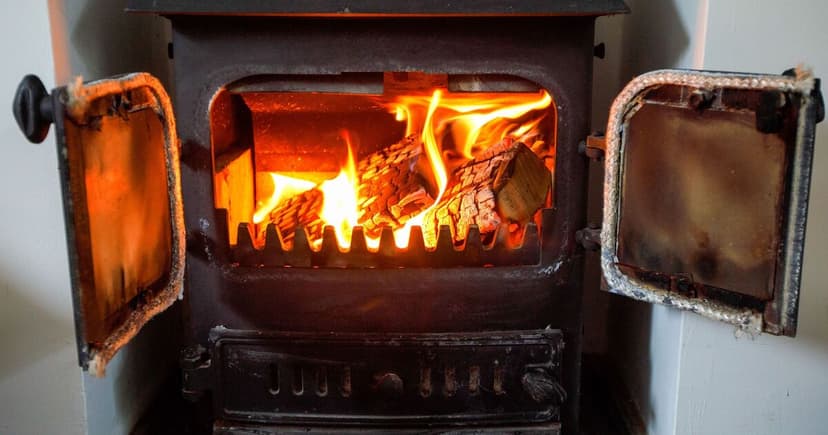
New regulations are set to significantly impact domestic burning in the UK, with a recent report estimating that banning solid fuels could save 1,500 lives and £54 million in annual NHS costs. Experts have identified a strong link between domestic burning and severe health conditions such as heart disease, lung cancer, and asthma.
The government's updated Environmental Improvement Plan aims to reduce fine particulate matter (PM2.5) by 30% by 2030. While immediate bans on existing stoves are not planned, manufacturers will likely need to adapt or discontinue older, polluting models to meet stricter air quality targets that align with EU standards.
Households in designated Smoke Control Areas already face penalties for excessive smoke emissions, with recent law changes lowering the legal emission limit. Fines can reach up to £1,000 for using unauthorized fuels or wet wood, highlighting the increasing enforcement of air quality regulations across the UK.
Some local authorities are exploring more aggressive measures, such as expanding smoke-controlled zones, which has led to public outcry from residents who view indoor fires as a necessity. Despite the availability of approved models, experts caution that even modern stoves can emit significantly more pollution than gas boilers, prompting a broader look at controlling these dangerous particles nationwide.