Home / Environment / Lost Wildlife Returns: A UK Conservation Success Story
Lost Wildlife Returns: A UK Conservation Success Story
23 Oct
Summary
- Species extinct for centuries, like spoonbills, are returning to UK shores.
- Conservation efforts reintroduce bison, beavers, cranes, and eagles across the UK.
- Rewilding projects aim to restore ecosystems and combat climate change effectively.
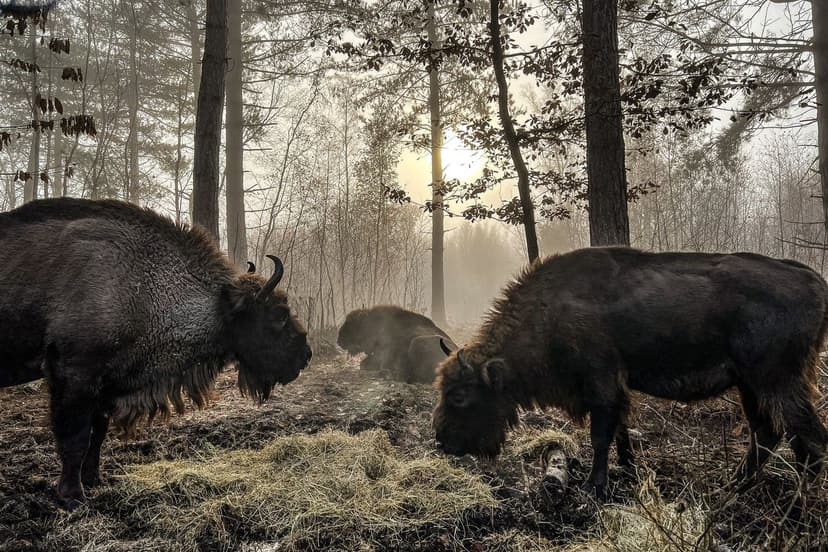
Once absent for centuries, numerous species are now returning to the UK as conservation efforts gain momentum. Spoonbills, which had not been seen for around 360 years, are now flying overhead. Bison have returned to graze in Kent, and beavers are active in London. Cranes are also being spotted in Somerset, signifying a significant shift in the nation's biodiversity landscape.
Conservationists are actively engaged in reintroducing lost species and establishing new populations through translocations. These initiatives are vital for restoring ecosystems and even contribute to combating climate change. Projects span across the UK, focusing on returning not only species but also keystone species that are crucial for ecological balance.
Families can witness these wildlife comebacks. In Ealing, London, the Ealing Beaver Project offers accessible viewing of beavers. Norfolk boasts returning cranes at Hickling Broad, while Scotland's Rothiemurchus Estate is a haven for pine martens. White-tailed eagles, known as 'flying barn doors', can be seen in the Hebrides, and bison roam in West Blean and Thornden Woods in Kent.
Further opportunities to observe returning wildlife include red squirrels at The Garlic Farm on the Isle of Wight and bluefin tuna off the coasts of Cornwall or Wales. The RSPB Arne in Dorset is also a prime location for spotting spoonbills. Many of these sites offer family-friendly access, with some providing facilities like pushchair-friendly paths and baby changing.


