Home / Environment / UK Marine Life: Toxic Legacy Pollutants Rise
UK Marine Life: Toxic Legacy Pollutants Rise
19 Sep
Summary
- Persistent pollutants like PCBs remain high in UK marine mammals.
- Mercury concentrations in marine life have increased over 30 years.
- Contaminants cause cancer, gene damage, and reproductive issues.
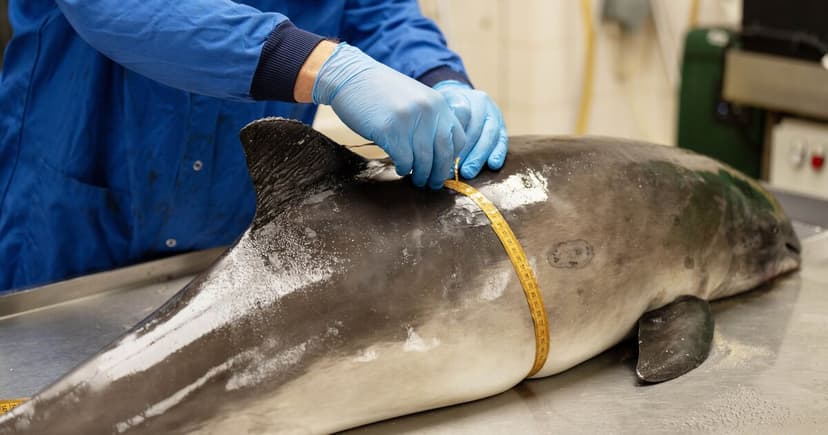
Persistent pollutants like PCBs continue to pose a significant threat to UK marine mammals, with concerningly high levels persisting decades after bans. Dr. Rosie Williams of ZSL's Cetacean Strandings Investigation Programme (CSIP) noted that while some legacy contaminants are declining, PCBs remain a concern.
Furthermore, mercury concentrations have been increasing over the last 30 years, defying international efforts to reduce emissions. These toxins can have devastating effects, including carcinogenicity, genetic damage, immune suppression, and reproductive problems like stillbirths and reduced calf survival.
Recent necropsies on stranded animals, such as a severely malnourished porpoise in Kent, revealed critically low blubber levels. Samples collected over 35 years provide a crucial historical record, allowing scientists to track pollutant levels and their impacts over time.
Beyond chemical contamination, marine animals face threats from fishing nets, ship strikes, and climate change. The CSIP, funded by the government, relies on public reports of stranded animals to conduct its vital research and conservation efforts.


