Home / Environment / UK Food Crisis: Britain Off The Cliff Edge
UK Food Crisis: Britain Off The Cliff Edge
13 Aug
Summary
- British food security faces existential risk due to prolonged drought and heat.
- Supermarket CEOs urge PM for legally binding domestic food production targets.
- Water infrastructure is largely foreign-owned, impacting national control.
Britain's food supply is in crisis, with leaders admitting the nation has 'walked straight off the edge of the cliff.' Extreme drought, affecting millions, and forecasts of record-breaking heat pose an existential threat to food security. Supermarket chief executives have jointly appealed to the prime minister, calling for legally binding targets for British-grown food.
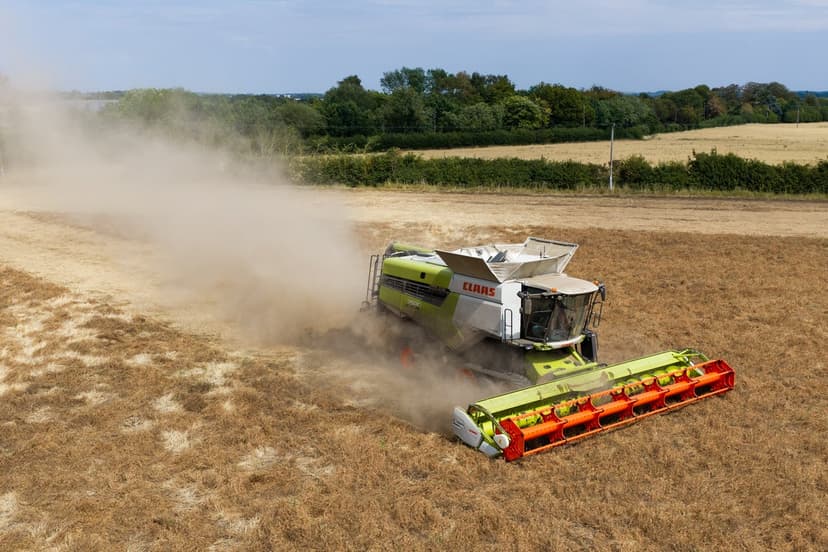
The consequences are already apparent in lost harvests. The cereal harvest is projected to be the worst on record, costing farmers millions. Vegetable yields are significantly down, with root crops surviving only through irrigation. This is not an isolated bad year but an emerging pattern driven by water scarcity.
Farmers are willing to invest in on-farm water storage, but planning permission is difficult to obtain, and government support is lacking. Water companies, largely foreign-owned, lack incentives to collaborate with farmers on irrigation resilience.
As a result, 78% of Britain's fresh produce is now imported, with volumes from Africa rising significantly while European imports decline. A concerning 77% of top sourcing exposure is in countries with high water risk. The Mediterranean region itself faces desertification and extreme weather.
Despite these warnings, government responses have been limited to committees and reports. The article points out a critical contradiction: grants are available for planting trees but not for irrigating them to ensure productivity in a changing climate. Fast-track planning for food production infrastructure, energy support for growers, and a national water infrastructure program are urgently needed.
A panel discussion, 'How Can We Feed Britain?', is scheduled for 26 September 2026, in Bristol, aiming to address these critical issues with industry experts. The military has warned of risks to economic and geopolitical stability, underscoring the urgency of the situation.


