Home / Environment / Floods Devastate UK Wildlife: Nests Drowned, Mammals Lost
Floods Devastate UK Wildlife: Nests Drowned, Mammals Lost
1 Mar
Summary
- Extreme flooding has destroyed nests and drowned small mammals.
- Thousands of puffins and other seabirds washed ashore due to storms.
- Butterfly and insect populations face a sharp drop this spring.
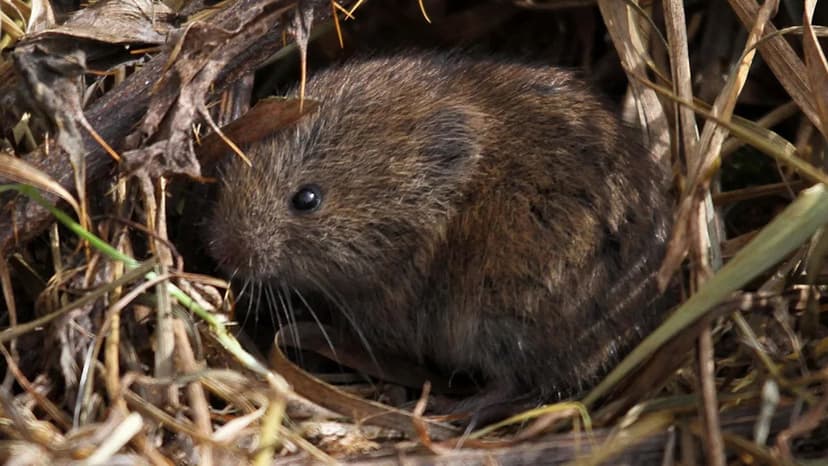
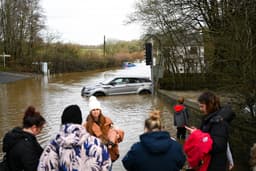
This winter's severe flooding has caused widespread devastation to wildlife across the South West of England. Relentless storms have destroyed nests, drowned small mammals, and are predicted to cause a sharp decline in butterfly and insect populations this spring. The toll on local wildlife is only now beginning to emerge, with thousands of puffins and other seabirds washing up on coastlines. Marine life, including turtles, has also been found stranded, likely due to storm-related events. On land, habitats for hedgehogs and field voles have been submerged, leading to widespread displacement and drowning. Early nesting birds have lost eggs, and conservationists are concerned about the impact on insect life, whose eggs and overwintering larvae have been swept away by floodwaters. Rescue centres are overwhelmed with animals, particularly hedgehogs, that have been flooded out of their homes and are struggling with scarce food resources and dehydration. The European hedgehog, already classified as vulnerable to extinction, faces further threats from habitat loss and changing environmental conditions. Experts predict that insect losses could have a cascading effect up the food chain, impacting birds and mammals that depend on them. In Dawlish, Devon, two black swan nests and ten eggs were lost to flooding. The Met Office has identified this winter as one of the wettest on record for Cornwall, Devon, and Dorset, with rainfall totals significantly exceeding the long-term average in several areas. These extreme weather events, coupled with human development on floodplains, highlight the urgent need for more natural flood management and wildlife-friendly escape routes. Experts emphasize that creating higher ground, connected green spaces, and undisturbed vegetation can provide essential retreat areas for animals during storms. Addressing climate change and adopting more sustainable practices are crucial to mitigating future weather events and protecting biodiversity.