Home / Environment / UK Floods: Winter Rains 20 Years Ahead of Schedule
UK Floods: Winter Rains 20 Years Ahead of Schedule
31 Jan
Summary
- UK winter rainfall is occurring 20 years earlier than climate models projected.
- Storms have brought torrential rains, causing widespread flooding and cutting off communities.
- Climate change is directly accelerating flood impacts faster than protection efforts.
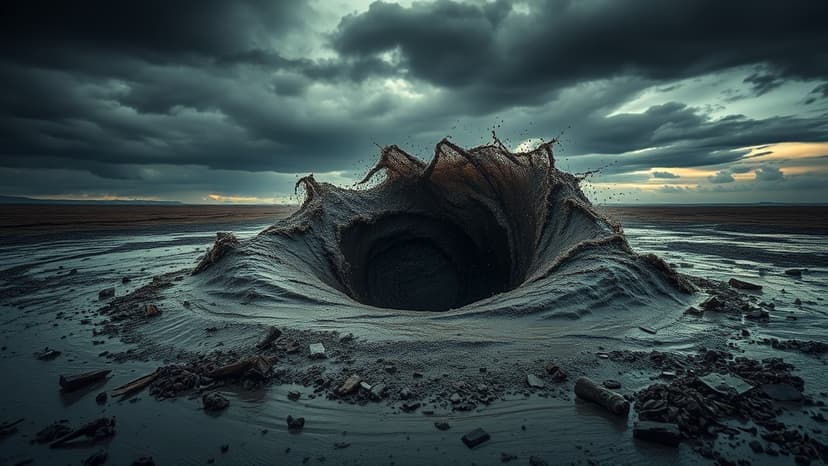
Winter rainfall in the UK is occurring 20 years ahead of climate model predictions, according to scientists. Recent storms have caused severe flooding across south-west England, saturating soils and overwhelming rivers. Residents describe a sense of deja vu, with events happening more frequently and intensely than in the past.
The accelerating impacts of the climate crisis are outpacing efforts to protect communities. New 24-hour rainfall records have been set, and storms are becoming more intense. This increased rainfall is directly linked to fossil fuel burning and rising greenhouse gas concentrations.
Experts express concern about the widening gap between actions taken and the felt impacts of climate change. There is a recognized lack of sufficient investment and delivery in flood protection, leading to significant economic damage and potential fatalities.
Communities, particularly in areas like the Somerset Levels, are facing ongoing threats. The current flood protection funding is often short-term and reactive, with a growing backlog in maintenance. There is a pressing need for increased resources to build long-term resilience and adapt to these new weather extremes.
Some regions, historically not considered flood-prone, are now experiencing flash floods due to outdated drainage systems unable to cope with extreme rainfall. The national flood risk is projected to increase significantly by 2050, affecting millions of properties across England and other UK nations.
The global scale of this challenge is evident, with many regions struggling to keep pace with climate change. In some areas, the possibility of abandoning homes due to persistent flooding is being contemplated within the next 20 to 50 years.