Home / Environment / Fens: Farming's Future Meets Climate Fight
Fens: Farming's Future Meets Climate Fight
1 Jan
Summary
- UK's breadbasket region tests climate targets with wetland restoration.
- Great Fens project aims to reduce greenhouse emissions from peat soils.
- Wet farming experiments explore growing crops in wetter conditions.
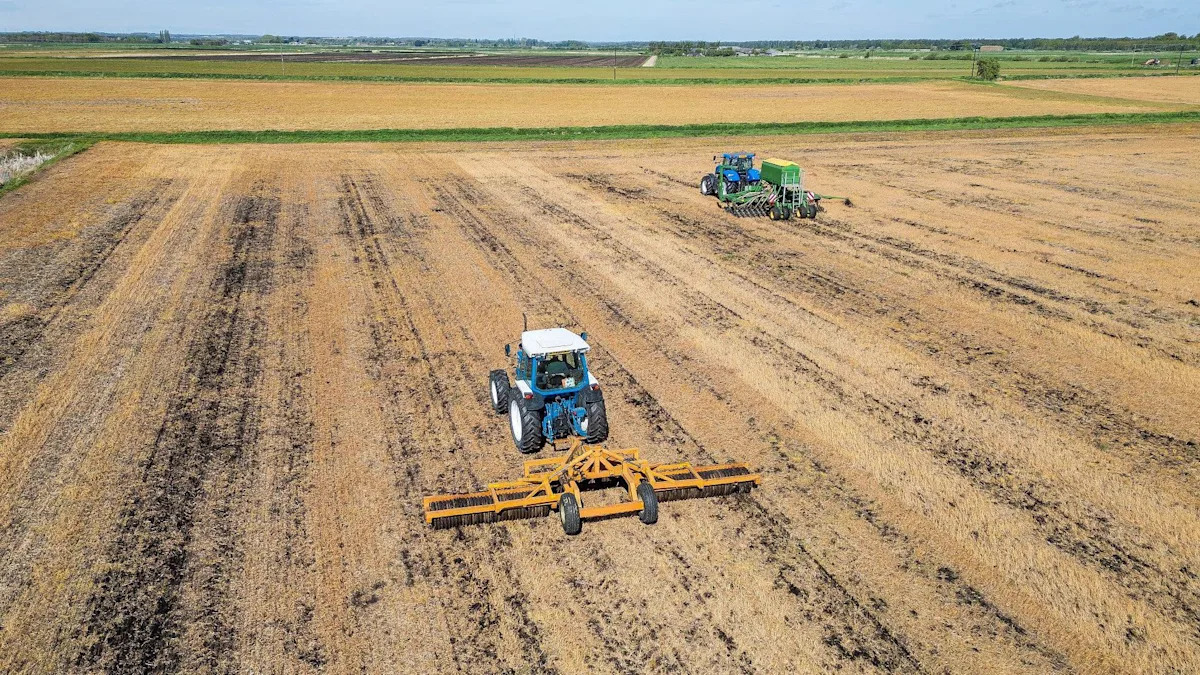
A significant project in the Cambridgeshire Fens is actively seeking ways to reconcile the UK's climate targets with the preservation of one of its most productive agricultural zones. Researchers are investigating methods to curb greenhouse gas emissions and revive wetland ecosystems within this region, often dubbed the "breadbasket of Britain."
The Great Fens initiative is designed to demonstrate how national net zero ambitions can be realized at a local level. This area, historically transformed from marshland to farmland since the 17th century, now faces challenges such as degrading peat soils that release carbon dioxide and vulnerability to extreme weather events, as evidenced by crop losses in the summer of 2025.
With significant funding, the project is experimenting with "wet farming," aiming to grow crops without disturbing peat and thereby sequestering substantial amounts of carbon. This approach also seeks to improve biodiversity and water quality, showcasing a collaborative effort between scientists, farmers, and conservationists to adapt farming systems for a sustainable future.