Home / Environment / Stricter Stove Rules to Combat Air Pollution
Stricter Stove Rules to Combat Air Pollution
1 Dec
Summary
- New government plan may tighten standards for wood-burning stoves.
- Target to reduce PM2.5 levels by 30% by December 2030.
- No plans to ban existing stoves or domestic burning by area.
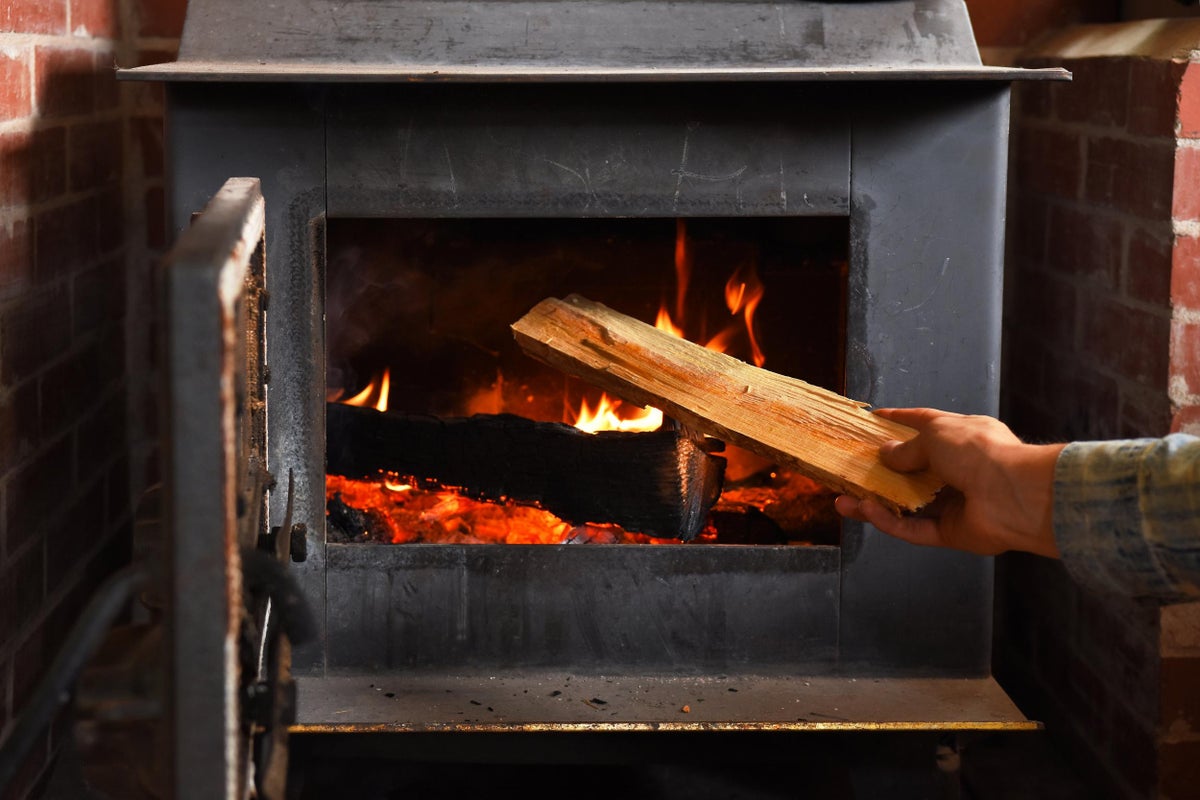
New government proposals may introduce stricter standards for wood-burning stoves to tackle air pollution. Defra officials are set to launch a consultation on measures aimed at reducing the impact of wood burning, potentially leading to tighter emission controls for new appliances and clearer product labelling. This initiative aligns with the government's updated environment plan, which sets an ambitious target to decrease PM2.5 levels by 30% compared to 2018 figures by December 2030.
Despite concerns about domestic burning's contribution to harmful PM2.5 emissions, linked to respiratory and cardiovascular diseases, the government has clarified that there are no intentions to ban existing stoves or prohibit wood burning in specific geographical zones. Rules for existing Smoke Control Areas will remain unchanged, ensuring current users complying with regulations are unaffected. The Stove Industry Association has expressed support for a balanced approach, acknowledging the need for cleaner air while valuing solid fuel heating's role in energy security for many households.
Beyond air quality, the updated environment plan commits £500 million to create or restore a quarter of a million hectares of wildlife habitats by 2030. While the government emphasizes this as a significant step change for nature restoration, environmental campaign groups argue that the plan's actions are insufficient and too slow. They stress the urgent need for more substantial measures to address the biodiversity crisis and climate change, citing an accelerating rate of species decline across Great Britain.