

Home / Environment / Record Rain Floods UK Coasts With Pollution
Record Rain Floods UK Coasts With Pollution
15 Apr
Summary
- Winter rainfall has caused pollution and sediment to enter coastal waters.
- Excess nutrients from runoff are fueling toxic algal blooms.
- E. coli bacteria has been detected in coastal waters after heavy rain.
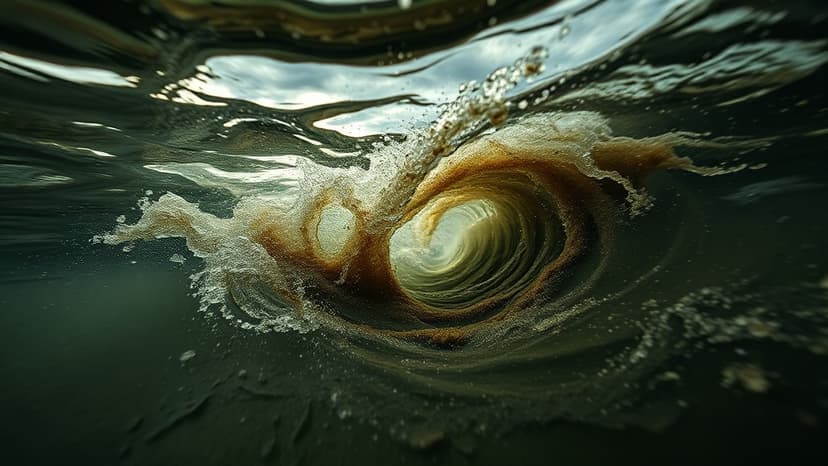
Winter rainfall in Devon and Cornwall has reached unprecedented levels, causing substantial pollution and sediment to enter coastal waters. This influx, exacerbated by mild, wet winters, threatens marine ecosystems and public health as warmer conditions approach.
Scientists are employing advanced monitoring techniques, including satellites and drones, to assess water quality. They are tracking levels of viruses, bacteria, and algal species. Large freshwater and sediment plumes are visible, blocking light crucial for submerged vegetation like seagrass and seaweed.
The sediment carries high nutrient loads from farm runoff and sewage spills, stimulating prolific algal growth. Some of these algal blooms are toxic to marine life. Bacteria, including E. coli harmful to humans, are also being detected in significant counts after heavy rainfall, entering coastal areas via rivers.
The long-term environmental impact depends on future weather patterns. Persistent rainfall could lead to larger, noxious blooms, while hot, dry summers may also negatively affect the coastal environment. The system is currently in a state of flux, with ongoing changes anticipated.
The Environment Agency monitors bathing water quality, focusing on sewage indicators. While real-time testing is not yet feasible, decades of data inform safety assessments for swimming locations. Despite challenges in pinpointing specific pollution sources, bathing waters in Devon and Cornwall largely meet high standards, showing significant improvement over recent years.
