Home / Environment / London's Wild Side: Urban Jungle Teems With Surprising Wildlife
London's Wild Side: Urban Jungle Teems With Surprising Wildlife
24 Jan
Summary
- London hosts diverse species like scorpions, snakes, and seals outside zoos.
- Urban areas offer milder winters and varied habitats, aiding wildlife survival.
- Many species adapt behaviors, showing nature's remarkable adaptability.
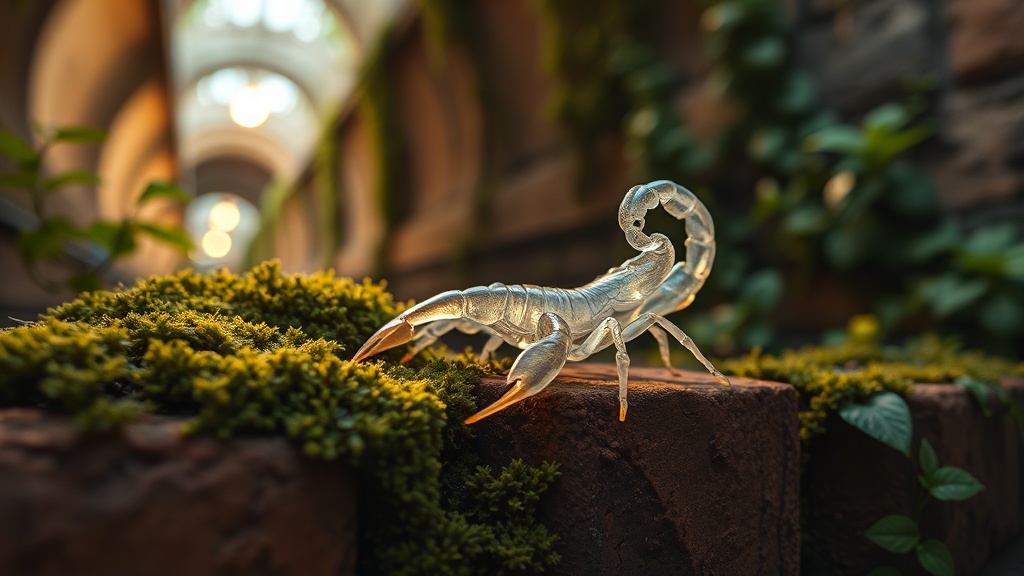
London has become an unexpected haven for an extraordinary array of wildlife, boasting species such as scorpions, snakes, turtles, seals, peacocks, and falcons, none of which are confined to zoos. This urban environment creates a unique 'mosaic' of microclimates, offering varied habitats like allotments, gardens, and ancient woodlands, unlike more homogeneous rural landscapes.
Warmer urban winters provide a significant advantage, allowing species like queen bumblebees to forage even in December. Waterways in cities are less likely to freeze, ensuring a stable food supply for animals such as otters and herons. Many species demonstrate remarkable adaptability, altering their hunting, habitat, and movement behaviors to suit city life, proving nature's ability to find a niche.
The Thames, once declared biologically dead in 1957, is now a testament to environmental recovery, supporting otters and seals. Unexpected residents like demon shrimp and short-snouted seahorses have also appeared. Even introduced species like red-eared terrapins, originally pets from the 1980s, now thrive in urban ponds and canals.
Above ground, peregrine falcons, the world's fastest animals, nest on London's tower blocks and hunt nocturnal birds attracted by streetlights. Bats navigate using linear features like railway embankments, while feral peacocks and pelicans are legacies of the city's aristocratic past.