


Home / Environment / UK Butterflies Vanish: A Silent Spring Looms
UK Butterflies Vanish: A Silent Spring Looms
15 Apr
Summary
- 33 native butterfly species face urgent survival threats.
- Some species declined by nearly 90% since 1976.
- Habitat loss is a major driver of butterfly decline.
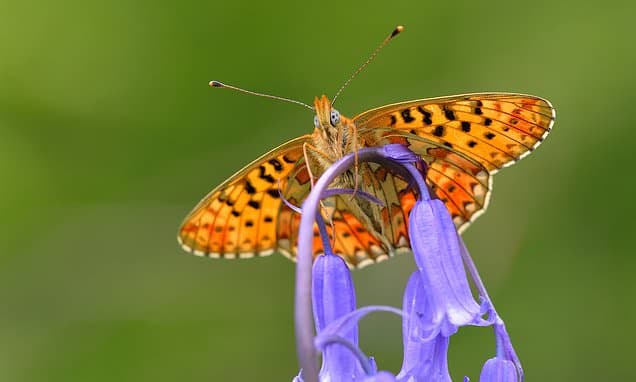
A recent report indicates a severe decline in Britain's butterfly populations, with 33 native species now facing an 'increasingly urgent battle' for survival. Data collected over 50 years by the UK Butterfly Monitoring Scheme shows that some species, like the small tortoiseshell, have seen their numbers drop by nearly 90% since 1976. Specialist species, dependent on specific habitats such as woodland glades or chalk downland, have particularly struggled.
Professor Richard Fox of Butterfly Conservation described the figures as 'damning,' likening the loss of butterfly diversity to the disappearance of traditional shops on high streets. He stressed that the solution lies in habitat creation. While some adaptable species, like the red admiral, have seen significant increases due to climate change, many others are struggling. The pearl-bordered fritillary has declined by 70%, and white-letter hairstreaks have suffered due to elm tree disease. Even a record-breaking sunny year in 2023 did not result in a butterfly boom, underscoring the scale of the challenge.
Despite these challenges, intensive conservation efforts have aided certain species. The large blue butterfly, reintroduced after being declared extinct, has seen an extraordinary 1,866% increase since 1983. Dr. Marc Botham of the UK Centre for Ecology & Hydrology highlighted the importance of the long-term dataset provided by dedicated volunteers. This data offers a crucial perspective on conservation effectiveness and the ongoing plight of Britain's butterflies.
