Home / Environment / Borders Salmon Numbers Defy Global Decline
Borders Salmon Numbers Defy Global Decline
2 Mar
Summary
- Tweed salmon catches are near five-year averages despite environmental pressures.
- Past efforts to remove river barriers boosted salmon genetic diversity.
- Global Atlantic salmon numbers have significantly declined since the 1970s.
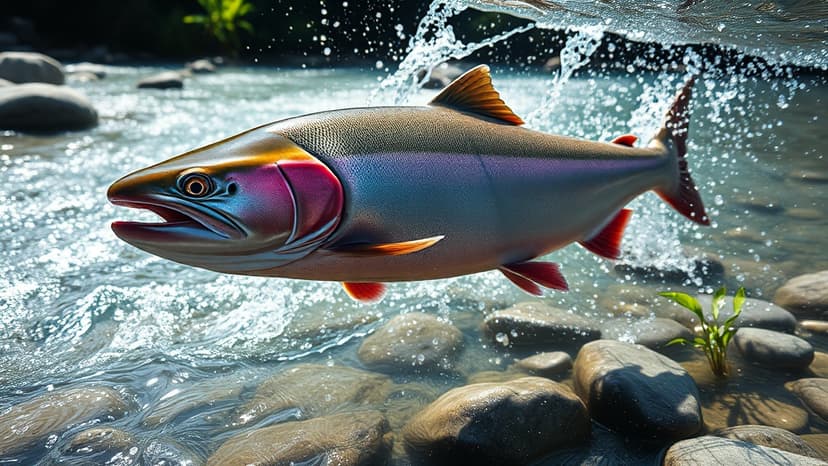
Despite facing severe droughts, high water temperatures, and harmful algae last year, salmon catches along the River Tweed have remained strong. Figures released for 2025 show 6,957 fish were caught and released, exceeding both five and ten-year averages. This remarkable performance stands in stark contrast to nearly all other rivers globally, which are reporting significant declines in salmon populations.
River managers credit previous generations of Tweed Commissioners for opening waterways by removing barriers, transforming the region from a mill industry to a fishing industry. Since the mid-1970s, worldwide Atlantic salmon numbers have dropped from an estimated 10 million to less than three million, primarily due to changing water conditions and reduced food availability.
Opening up the Tweed catchment over the past 50 years has created 13 distinct sub-catchments, ensuring genetic diversity. This strategic approach provides resilience, as the underperformance of one area can be offset by others, maintaining overall stability. A catch-and-release policy, coupled with improvements in water quality and habitats, further supports these thriving salmon numbers.
The Tweed Commission continues to prioritize conservation with a new scientific advisory panel. While pleased with the 2025 catches, commissioners emphasize that stability does not guarantee long-term security. Atlantic salmon face ongoing pressures in both freshwater and marine environments, requiring vigilant, science-led conservation strategies.