Home / Environment / Climate Change Warms Turtle Nests, Skewing Sex Ratios
Climate Change Warms Turtle Nests, Skewing Sex Ratios
16 Oct
Summary
- Warming sands are producing a predominance of female sea turtle hatchlings.
- Nest temperatures above 30°C increase the risk of embryo mortality.
- Plastic pollution is a major threat, with 60% of treated turtles ingesting plastic.
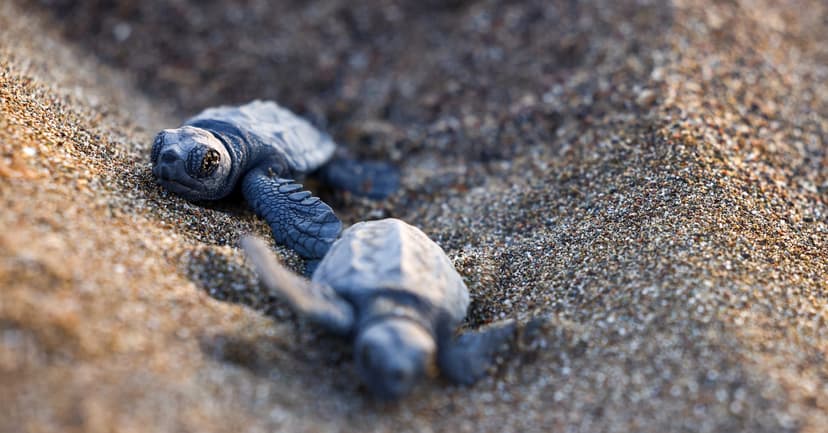
Sea turtle hatchlings emerging on Turkey's Mediterranean coast are part of an ancient cycle now significantly influenced by climate change. Biologists and volunteers monitor nests on Iztuzu beach, a vital conservation area. The loggerhead turtle, mascot for the upcoming COP31 climate summit in Antalya, serves as a crucial indicator of environmental shifts in the Mediterranean, which has seen a consistent warming trend since the early 1980s.
The sex of turtle hatchlings is temperature-dependent, with warmer nests producing more females. Research indicates that nest temperatures at Iztuzu have risen by nearly 1 degree Celsius over the past two decades, leading to a population with up to 90% female hatchlings in some areas. This imbalance poses a risk to future reproduction, and temperatures exceeding 30°C can result in embryo mortality.
Conservation efforts are ongoing, but climate change presents new pressures. The turtles' migratory nature underscores the need for international cooperation at COP31 to protect Mediterranean biodiversity. Beyond climate impacts, hatchlings face numerous threats, including fishing nets, boat traffic, and extensive plastic pollution. Approximately 60% of turtles treated at rehabilitation centers have ingested plastic, a stark reminder of marine debris's devastating effects.


