Home / Environment / Toxic Sludge on Farms: A Hidden Health Crisis
Toxic Sludge on Farms: A Hidden Health Crisis
19 Dec
Summary
- Water companies allow hazardous industrial waste into sewers.
- Sewage sludge spread on farms is often untreated and toxic.
- Current rules for sludge treatment are decades out of date.
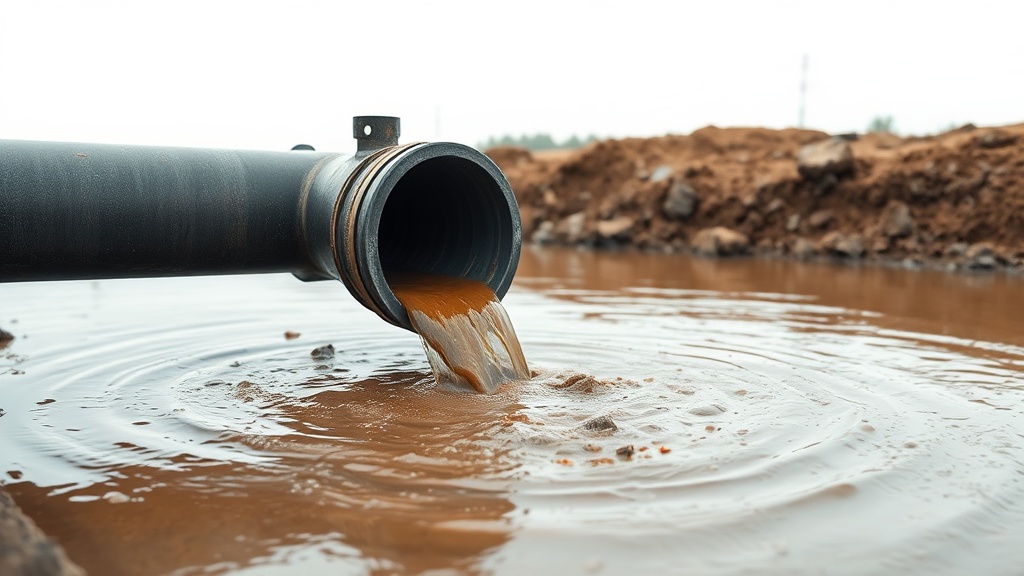
Water companies are reportedly allowing businesses to dispose of hazardous industrial waste, including chemical materials and landfill leachate, through the sewer system. This untreated waste often ends up in sewage sludge, which is then spread on agricultural land. Many believe this contaminated sludge poses risks to public health, river ecosystems, and food safety, as current treatment rules date back to the 1980s.
The YouGov poll reveals that a majority of the public is unaware that sewage sludge is routinely spread on farms, let alone that it is frequently contaminated. This lack of transparency is concerning, as the toxic materials can persist in soil and water, potentially entering the food chain. Farmers themselves express significant worry about these risks, as their livelihoods depend on healthy land and safe produce.
Instead of the waste producer paying for safe disposal, water companies have been permitted to profit from contaminated sludge, including waste from third parties. This practice has made farmland the default destination for sludge since ocean dumping was banned, raising questions about accountability and the safety of agricultural practices.