Home / Environment / Tokyo Heat: Adapting to a Scorching New Normal
Tokyo Heat: Adapting to a Scorching New Normal
23 Aug
Summary
- Tokyo's average temperature has risen 3°C over the past century.
- Japan has evolved a culture around surviving extreme heat.
- Over 1,500 annual deaths in Japan result from heatstroke.
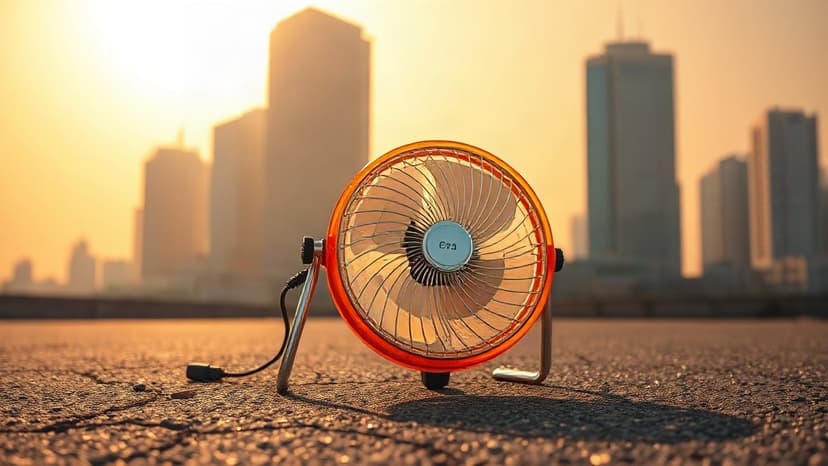
Tokyo's summers are marked by escalating temperatures, with the city's average increasing by 3°C in the last century. This rise is attributed to a combination of climate change and the urban heat island effect, where concrete, asphalt, and human activity trap and release heat. Extreme temperatures exceeding 40°C are becoming more frequent, prompting the Japan Meteorological Agency to coin the term 'kokushobi' for such days.
The combination of intense heat and characteristic high humidity in Tokyo disables the body's natural cooling mechanisms, making adjustment difficult, especially for newcomers and older individuals. In response, Japan has cultivated a rich ecosystem of heat-survival strategies, blending traditional methods like sprinkling water with modern gadgets such as portable fans and cooling neck rings.
Adaptation extends beyond products to lifestyle changes. Residents are advised to shift daytime activities to evenings, adjust travel routes, and take breaks. Gradual acclimatization, including preparing the body two weeks in advance, is also encouraged. However, experts caution against normalizing extreme heat, as it can fundamentally alter how people live, work, and experience seasons.
Beyond discomfort, prolonged heat poses significant risks, affecting mental well-being and food production. Tragically, over 1,500 heatstroke deaths occur annually in Japan, a number far exceeding those from natural disasters. This quiet killer often goes unnoticed as people become accustomed to dangerous conditions. Experts predict continued temperature rises, with extreme heat events potentially becoming more severe, especially when combined with other natural disasters.


