Home / Environment / Tirumala Forest Cover Hits 89.4% Milestone
Tirumala Forest Cover Hits 89.4% Milestone
17 May
Summary
- Tirumala boasts 89.4% forest cover out of 2,719 hectares.
- TTD actively plants native species like sandalwood and red Sanders.
- Forest department patrols curb illegal felling and poaching.
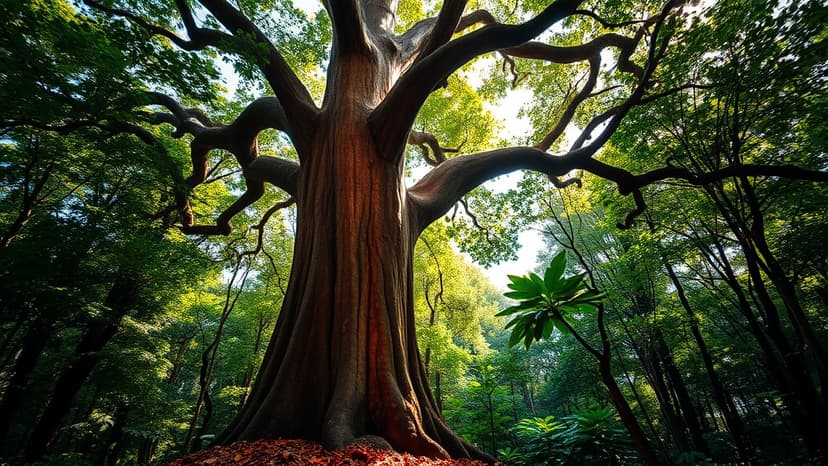
The Tirumala Tirupati Devasthanams (TTD) has successfully recorded 89.4 percent forest cover in Tirumala, encompassing nearly 2,431 hectares of the total 2,719 hectares under its administration. This significant achievement is part of extensive ongoing measures to conserve the forest wealth and restore native species within the Seshachalam Hills.
The TTD Forest Department, functioning under a Deputy Conservator of Forests, oversees four forest ranges. To safeguard the natural environment, flying squads conduct round-the-clock patrols to prevent illegal tree felling and poaching. Additionally, approximately 26.5 kilometers of fire lines are maintained annually to mitigate the risk of forest fires.
In a concerted effort towards ecological restoration, TTD has initiated a drive to plant native species, including Peepal, Banyan, Sandalwood, Red Sanders, Mango, and Jamun, across 576 hectares. This initiative aims to replace invasive Acacia plantations. Special nurseries across all forest ranges are dedicated to cultivating native, ornamental, and medicinal plant species crucial for forest restoration programs.
The Seshachalam forests are a vital habitat for diverse wildlife such as elephants, leopards, bears, and snakes. The department employs special strategies to minimize human-wildlife conflict and provide care for injured animals. During the summer, water pits are established in forest areas for wild animals, and snake rescue teams are stationed at queue line premises to ensure devotee safety.
Beyond conservation, the department supports temple rituals by supplying sandalwood logs, firewood, and Darbha grass. It also manages gardens, greenery initiatives, and road dividers in Tirumala and Tirupati. Collaborative projects with the Wildlife Institute of India, such as Pavitra Vanam and Divya Oushadha Vanam, further enhance greenery and address wildlife-related conflicts.


