Home / Environment / Textile Waste Crisis: Recycling Needs Billions
Textile Waste Crisis: Recycling Needs Billions
24 Aug
Summary
- Less than 1% of textile waste is recycled into new textiles globally.
- Scaling textile recycling by 2035 could cost 8-11 billion euros in capital.
- New polyester recycling costs 2.6 times more than virgin polyester.
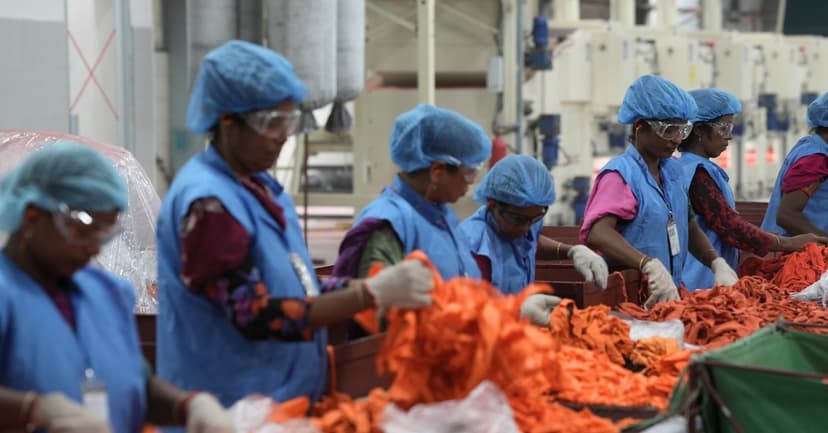
The world grapples with escalating textile waste, with less than 1% of it being recycled into new materials. This growing problem is driven by fast fashion and polyester, with waste projected to rise over 40% by 2035.
To achieve circularity in textiles, significant financial backing, supportive policies, and coordinated efforts are essential. European Union regulations are mandating separate textile collection and extended producer responsibility by January 2028, requiring producers to fund textile waste management. California is implementing similar producer responsibility measures in the U.S.
Scaling textile recycling infrastructure to achieve 15% textile-to-textile recycling by 2035 is estimated to cost between 8 and 11 billion euros in capital investment. This investment is needed to develop systems for collecting, sorting, and processing the vast amounts of waste.
Currently, recycled fibers like polyester carry a price premium, costing approximately 2.6 times more than virgin polyester. This necessitates brands either absorbing costs or passing them to consumers, with potential price increases for a 10-euro T-shirt estimated at 60 cents.
Companies are collaborating to address these challenges, focusing on building demand through initiatives like 'fiber clubs' and ensuring reliable feedstock. Innovations in recycling trims and complete material disclosure are also being pursued to create a truly circular garment economy.


