Home / Environment / Sydney's Shark Nets: Deadly bycatch or vital protection?
Sydney's Shark Nets: Deadly bycatch or vital protection?
23 Mar
Summary
- Sydney's shark nets have a high rate of non-target species entanglement.
- Marine experts question the effectiveness and ethics of current shark nets.
- Modern alternatives like drones and tagged shark alerts are gaining traction.
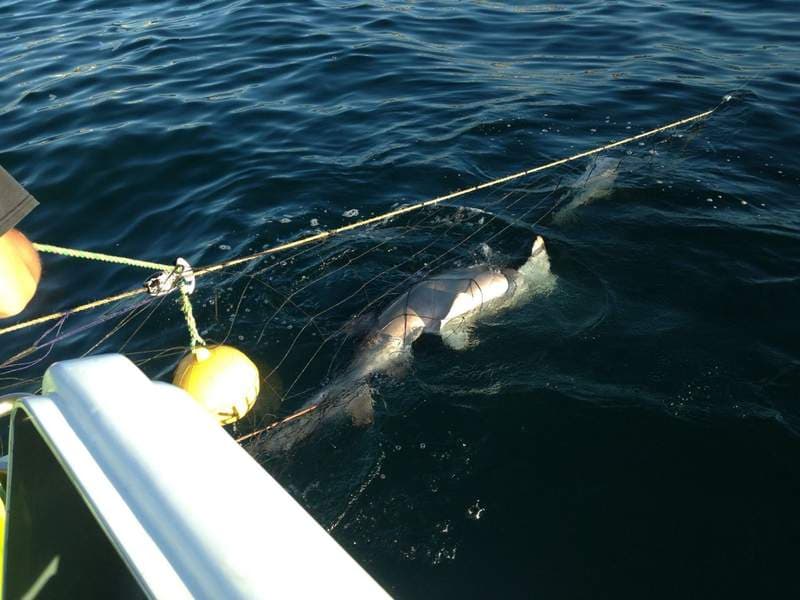
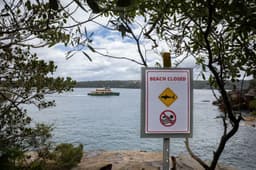
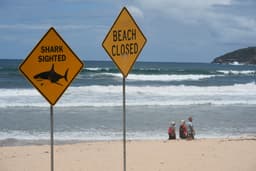
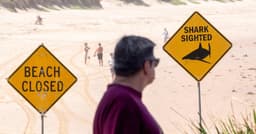
Sydney is grappling with the effectiveness and consequences of its shark meshing program, a practice in place for nearly a century. In recent months, the city has seen an unusual number of shark attacks, prompting renewed debate about the safety measures employed.
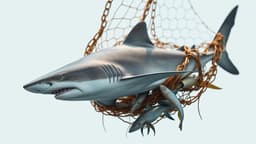
The current shark nets, deployed offshore, are primarily intended to catch dangerous sharks like bull, great white, and tiger sharks. However, critics argue these nets are not an effective deterrent and cause substantial harm to non-target marine life, including turtles and dolphins, with some sharks caught swimming away from the beach.
Recent data from the 2024/25 season reveals that only about 10% of the animals caught were target species. The majority were non-target sharks, rays, turtles, and dolphins, many of which die from entanglement. This bycatch has fueled calls for change.
Modern alternatives are increasingly being explored and utilized. These include drone surveillance for beach monitoring, acoustic and satellite tagging of sharks which alerts users via the Shark Smart App, and SMART drum lines that notify authorities upon a shark bite. Public education on safe swimming practices is also highlighted as a key defence.
Despite plans by some local councils to trial net removal, a recent fatal shark attack halted these initiatives. While the NSW government has not finalized its plans for the 2026/27 season, scientists anticipate that technological advancements will eventually lead to the phasing out of shark nets.