Home / Environment / Shark Scare Clears Sydney Baths for First Time
Shark Scare Clears Sydney Baths for First Time
6 Feb
Summary
- Wylie's Baths had to limit entry for the first time due to overwhelming demand.
- Increased patronage at netted areas and ocean pools followed four shark attacks.
- Swimmers are returning to open waters weeks after the shark incidents.

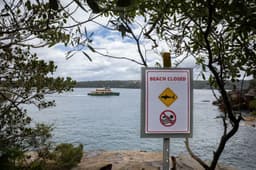
Wylie's Baths in Coogee, Sydney, implemented an unprecedented entry cap due to a surge in visitors, a situation staff cannot recall happening before. This occurred as swimmers across Sydney increased their use of netted swimming areas and ocean pools following four shark attacks within a 48-hour period in New South Wales.
Local councils have noted anecdotal evidence of increased patronage at enclosed swimming locations like Balmoral Baths and Dawn Fraser Baths. Many swimmers, previously engaging in open water activities, have avoided the sea since the shark incidents, opting instead for the perceived safety of pools.
Shark policy experts suggest that while shark attacks can cause a temporary shift in behavior, swimming patterns often return to normal within approximately two weeks. The recent spate of attacks was described as extraordinary, creating a significant psychological impact on the community.
The NSW government has announced increased funding for shark surveillance measures, including drones and listening stations, particularly in Sydney Harbour. However, effective shark management and safety messaging coordination between state authorities and local councils remain a challenge.
Despite ongoing concerns, some swimmers are already venturing back into open waters, citing the low statistical probability of an encounter. The management of shark risks in popular swimming areas is expected to become more complex with climate change, highlighting the need for collaborative approaches.
As temperatures rise, more individuals are returning to open water swims. A shark policy expert indicated that swimmers' behavior typically normalizes about two weeks after an incident, suggesting a return to pre-attack patterns.