

Home / Environment / Eat Invasive Fish to Save Our Seas!
Eat Invasive Fish to Save Our Seas!
25 Apr
Summary
- WWF's seafood guide now includes invasive species.
- Consumers can use a traffic light system for sustainable choices.
- Over 240 alien species are now found in Greek waters.
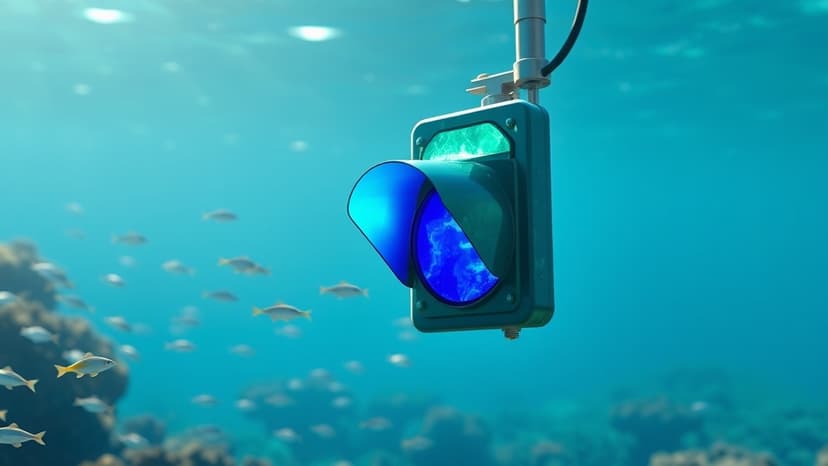
The World Wide Fund for Nature's (WWF) sustainable seafood guides have been updated to address the growing threat of invasive species in marine ecosystems. These guides, tailored to individual countries like Greece, utilize a traffic light system to help consumers make environmentally conscious choices about the fish they eat. Green indicates species to promote, yellow for moderation, and red for avoidance due to overfishing or harmful practices.
For the first time, the WWF guide in Greece specifically addresses the issue of alien species, with over 240 recorded in the country due to factors like climate change and overfishing. The rapid proliferation of these invasive species negatively impacts native fish and fishing gear. The guide now informs consumers about which alien species are safe and beneficial to eat, noting their tasty profiles and nutritional value.
Elias Margaritis from WWF Greece emphasizes the importance of informed choices, encouraging consumers to consider the environmental impact of their seafood consumption and leave the sea in better condition. The guide also provides crucial information on fish size, spawning maturity, seasonality, and nutritional content, including the top 10 species for nutritional value. Recipes from renowned chefs are included to encourage the integration of alien species into diets.
A survey by WWF Greece revealed that about half of Greeks consume fish weekly, with young people consuming it less. While six in 10 respondents are concerned about responsible consumption, many are unaware of non-native species. The guide aims to foster collective responsibility for marine resource conservation through informed daily choices.
