Home / Environment / From Fury to Fun: Supervolcanoes as Vacation Destinations
From Fury to Fun: Supervolcanoes as Vacation Destinations
6 Apr
Summary
- Supervolcanoes are defined by VEI 8 eruptions.
- Yellowstone, Toba, and Taupō calderas are major tourist attractions.
- Supervolcano sites are monitored and safe for tourists.
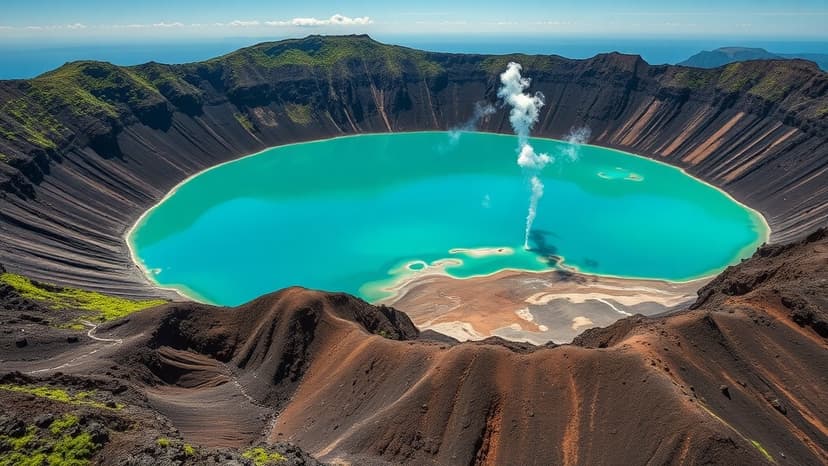
Supervolcanoes are scientifically defined by their capacity for Volcanic Explosivity Index (VEI) 8 eruptions, which can cause global catastrophes. Despite this potential for devastation, several extinct supervolcano systems have become captivating tourist attractions.
The Yellowstone Caldera in the United States, Toba Caldera in Indonesia, and Taupō Caldera in New Zealand exemplify this paradox. Yellowstone, located in the world's oldest national park, erupting 640,000 years ago, now fascinates visitors with active geysers, hot springs, and geothermal phenomena.
Lake Toba, formed by an eruption approximately 74,000 years ago, now offers a serene environment with the largest volcanic lake in Southeast Asia and the cultural heritage of the Batak people on Samosir Island.
The Taupō Caldera, site of a massive eruption around 26,500 years ago, is now covered by Lake Taupō and is a hub for outdoor recreation like boating, fishing, and hiking.
These supervolcano sites are under constant scientific surveillance, with no immediate signs of large eruptions. While generally safe, visitors are advised to exercise caution in geothermal areas due to high temperatures and unstable ground, sticking to marked trails.


