Home / Environment / Superbugs Lurk in NI's Drinking Water Lake
Superbugs Lurk in NI's Drinking Water Lake
14 Mar
Summary
- Antibiotic-resistant superbug genes detected in Lough Neagh.
- The lake supplies drinking water to 40% of Northern Ireland.
- Pollution from sewage and livestock fuels the spread of resistance.
Genes capable of forming antibiotic-resistant superbugs have been discovered in Lough Neagh, the primary source of drinking water for 40% of Northern Ireland. Testing revealed resistance to a wide spectrum of antibiotics, including critical carbapenems, underscoring the global challenge of antimicrobial resistance (AMR).
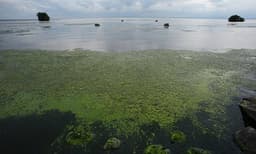
The presence of these resistance genes is linked to pollution from sewage and livestock, which creates conditions for pathogens and resistant bacteria to thrive and spread. Markers for human and animal waste were also detected in the water samples.
Significant pollution incidents, including untreated sewage spills, have been reported, with environmental experts warning that current monitoring may underestimate the volume of contaminants entering waterways. Treated wastewater also poses a risk, as it can continuously discharge AMR genes.
Investment in wastewater infrastructure is a critical issue, with concerns raised about insufficient funding to address the scale of the problem. This underinvestment has led to restrictions on development and increased environmental pressure.
Agricultural practices, such as livestock farming and slurry spreading, also contribute to the problem by flushing antibiotics and resistance genes into waterways. Governance failures and political influence have hampered effective environmental regulation and enforcement.
Authorities are planning further testing and implementing action plans to restore Lough Neagh's ecological health. Efforts are also underway to reduce antibiotic use in both humans and livestock, though challenges remain in combating the growing threat of AMR.