Home / Environment / Hormuz Standoff Unleashes Marine 'Super-Spreader'
Hormuz Standoff Unleashes Marine 'Super-Spreader'
3 Aug
Summary
- Over 1,500 ships stalled near Hormuz could cause invasive species spread.
- Idling vessels risk 'super-spreader event' for marine ecosystems.
- Biofouling on ships poses biosecurity threat and economic costs.
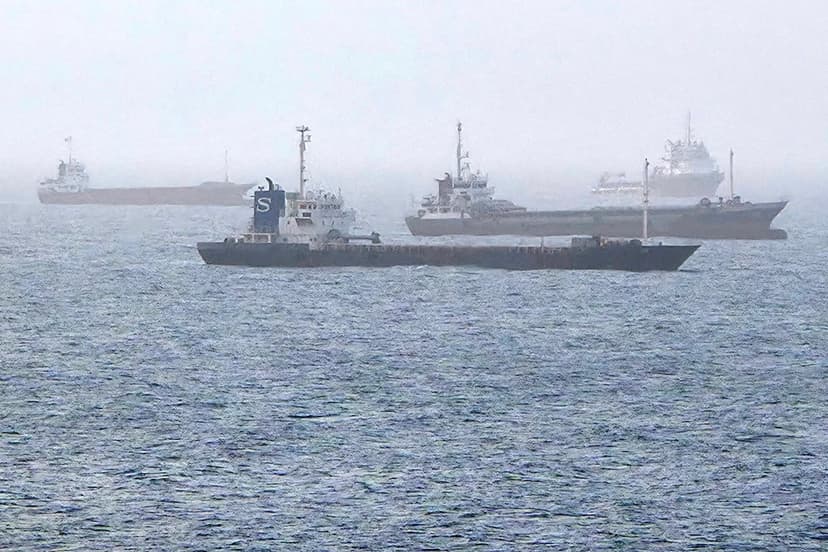
The prolonged halt of over 1,500 commercial vessels near the Strait of Hormuz, a critical global trade route, poses a significant environmental risk. Scientists are warning of a potential 'super-spreader event' for invasive marine organisms.
When ships remain stationary for extended periods, their submerged hulls become colonized by a variety of marine life. This biofouling, especially with vessels stalled for months during spring, creates an immense international biosecurity threat. These invasive species can outcompete native organisms and cause widespread ecological damage.
Beyond ecological harm, biofouling increases ship drag, leading to higher fuel consumption and emissions, costing the shipping industry billions annually. Historically, such introductions have caused severe disruptions, like the Australasian barnacle in Europe and the rope grass hydroid in the Chesapeake Bay, which has cost millions in infrastructure management.
While North America faces a lower risk due to distance and water salinity, ports with warmer waters, particularly in Southeast Asia and India, are more vulnerable. Researchers advocate for in-water cleanings and enhanced monitoring, though immediate implementation faces logistical challenges amid ongoing geopolitical tensions.


